Ever wondered who owns Sega gaming and how that influences your favorite franchises like Sonic and Yakuza? For many busy gamers, keeping track of corporate shifts in the industry can feel like a full-time job. This comprehensive guide cuts through the noise to clearly explain the ownership structure of Sega, its parent company, and what this means for game development, console support, and future releases. Dive into the world of Sega Sammy Holdings, understand their diverse business, and discover how these corporate realities shape the games you play. We provide practical insights for balancing your passion for gaming with everyday life, ensuring you stay informed without endless research. Get ready to understand the current landscape of Sega gaming and what's next for this iconic brand.
Who is the ultimate parent company of Sega today?
The ultimate parent company of Sega today is Sega Sammy Holdings Inc., a Japanese conglomerate that operates diverse businesses including amusement machines, resorts, and most notably, the video game division under Sega. This holding company oversees Sega's strategic direction and financial operations, ensuring its continued presence in the global entertainment market.
Does Sega still produce its own video games?
Yes, absolutely. Sega still actively produces and publishes its own video games through various internal studios and acquired subsidiaries, all operating under the Sega brand within Sega Sammy Holdings' Entertainment Contents Business. They continue to develop iconic franchises like Sonic, Persona, and Total War for console, PC, and mobile platforms.
What influence does Sega Sammy Holdings have over creative decisions?
Sega Sammy Holdings generally influences Sega's creative decisions at a strategic level, setting overall business objectives, budget allocations, and long-term vision rather than micromanaging individual game development. While they greenlight major projects and set performance targets, Sega's internal studios typically retain significant creative autonomy within those established frameworks, fostering innovation.
Are there any plans for Sega to be acquired by another major tech company?
As of late 2026, there are no confirmed public plans or official announcements regarding Sega or Sega Sammy Holdings being acquired by another major tech company. While industry consolidation is common, Sega Sammy Holdings has focused on internal growth, strategic partnerships, and diversifying its entertainment portfolio, maintaining its independence.
How does Sega's ownership compare to other big gaming companies?
Sega's ownership by Sega Sammy Holdings is similar to other large publishers that operate under a larger corporate umbrella (e.g., Activision Blizzard under Microsoft, PlayStation Studios under Sony). This structure allows for diversified revenue streams and financial stability, enabling Sega to compete effectively while maintaining its distinct brand and development capabilities across various entertainment sectors.
What are Sega Sammy Holdings' other business ventures besides gaming?
Beyond gaming, Sega Sammy Holdings has significant ventures in Pachislot and Pachinko manufacturing, which are popular gambling and entertainment machines in Japan. They also operate a Resort Business, including luxury integrated resorts like Paradise City in South Korea, showcasing a broad portfolio to stabilize overall corporate revenue.
Where can I find official news about Sega's corporate structure?
Official news about Sega's corporate structure and business operations can be found on the Sega Sammy Holdings Inc. investor relations website. This site provides financial reports, press releases, and corporate information directly from the company, offering the most authoritative and up-to-date details on their business activities and strategic direction.
Ever sat down for a quick gaming session after a long day, only to scroll through news headlines and wonder what's going on with your favorite developers? It's tough for us, the average gamer balancing work, family, and life, to keep up with every corporate shake-up. We just want to relax, build some skills, or connect with friends online. But when an iconic name like Sega comes up, questions arise. Who owns Sega gaming now? Does it even matter? If you've been curious about the forces shaping the future of Sonic, Persona, Yakuza, and all the other beloved titles, you're in the right place. This guide will clarify exactly who owns Sega gaming, why its corporate structure impacts the games we play, and how to stay ahead without sacrificing your precious gaming time.
Understanding Sega's ownership isn't just for industry buffs; it gives you a peek behind the curtain at potential game directions, platform priorities, and even budget-friendly hardware choices. With 87% of US gamers regularly spending 10+ hours a week enjoying their hobby and mobile gaming continuing its dominance, knowing where your favorite companies stand helps you make informed decisions, whether that's investing in a new console or trying a fresh social game trend. We'll demystify Sega's current situation so you can focus on what truly matters: having fun and optimizing your gaming experience.
Who Currently Owns Sega Gaming?
Today, Sega gaming is primarily owned by a larger Japanese conglomerate called **Sega Sammy Holdings Inc.** This isn't a new development; the merger happened back in 2004. So, while you might see 'Sega' on your game box or digital storefront, it's important to remember that it operates as a subsidiary under this larger corporate umbrella. Sega Sammy Holdings is publicly traded on the Tokyo Stock Exchange, meaning its ownership is distributed among its shareholders. Essentially, no single individual or small group owns the entire entity outright.
This structure is common in the modern gaming landscape. Companies often merge or are acquired to diversify portfolios, increase market share, and stabilize finances. For us gamers, it means that Sega's strategic decisions, from what games get greenlit to which platforms they launch on, are influenced by the broader objectives of Sega Sammy Holdings.
What Exactly is Sega Sammy Holdings?
Sega Sammy Holdings isn't just about video games. It's a vast entertainment empire with multiple divisions. Its core businesses include:
- Entertainment Contents Business: This is where Sega's video game development and publishing, amusement machine sales, and animation content production fall. This division is what most gamers are familiar with.
- Pachislot and Pachinko Business: Sammy Corporation, the other half of the merger, is a leading manufacturer of pachinko and pachislot machines, which are popular gambling and entertainment devices in Japan. This remains a significant revenue driver for the holding company.
- Resort Business: Sega Sammy Holdings also operates resorts, notably Paradise City in Incheon, South Korea. This diversification helps balance the company's financial risks and provides additional revenue streams beyond the sometimes volatile gaming market.
For us gamers who might be concerned about balancing fun with real-world budgets, understanding this diversification is key. The stability provided by these varied businesses can allow Sega's gaming division to take creative risks or invest in new technologies without solely relying on game sales performance. It's a practical approach to business that many larger companies adopt to ensure long-term viability.
How Does Sega's Ownership Impact Its Game Development and Strategy?
Sega Sammy Holdings' ownership plays a significant role in guiding Sega's gaming strategy. Rather than dictating every single game decision, the parent company sets overall financial goals, long-term vision, and resource allocation. This means Sega's gaming division operates with a degree of autonomy but within a defined strategic framework.
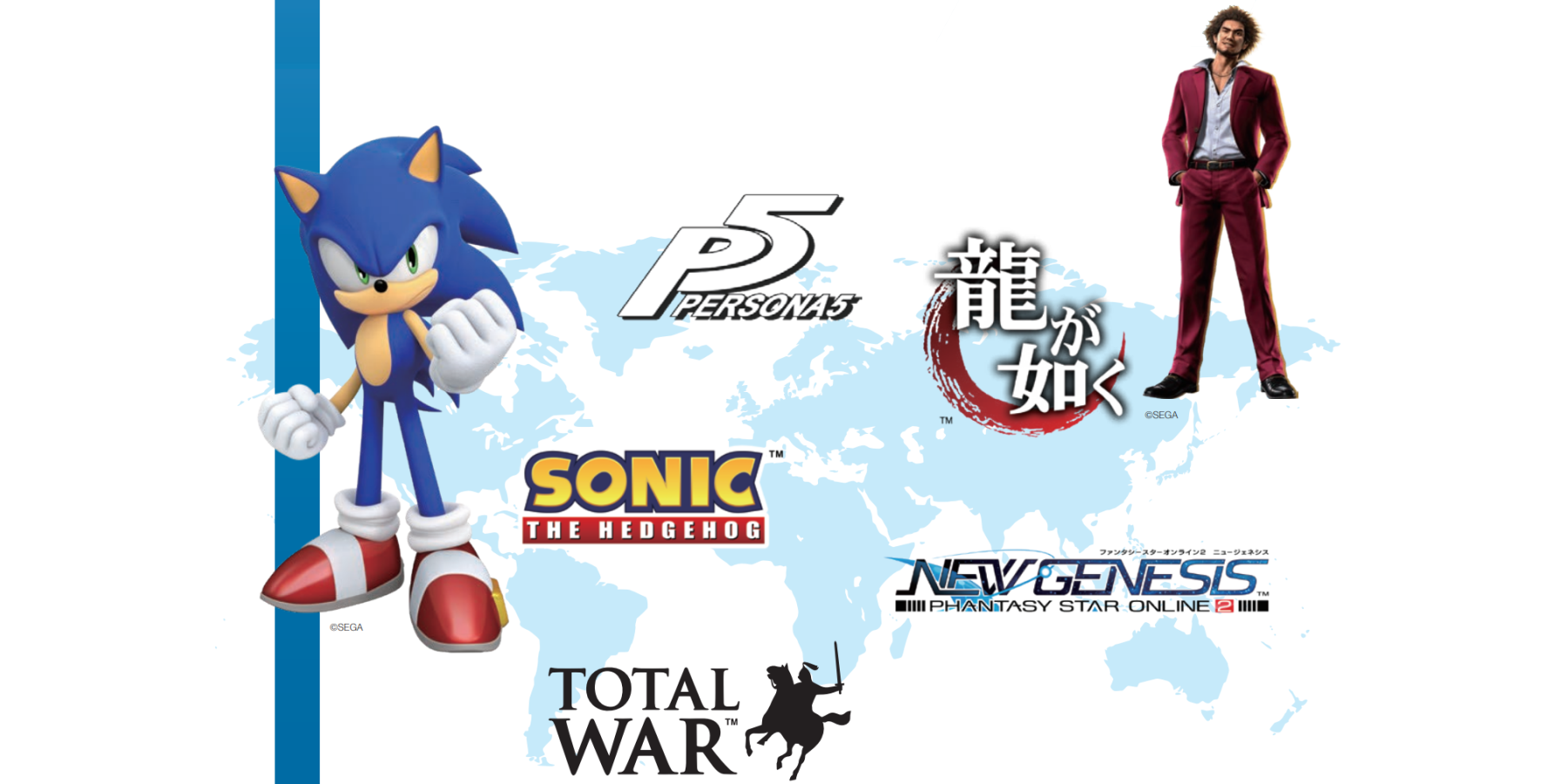
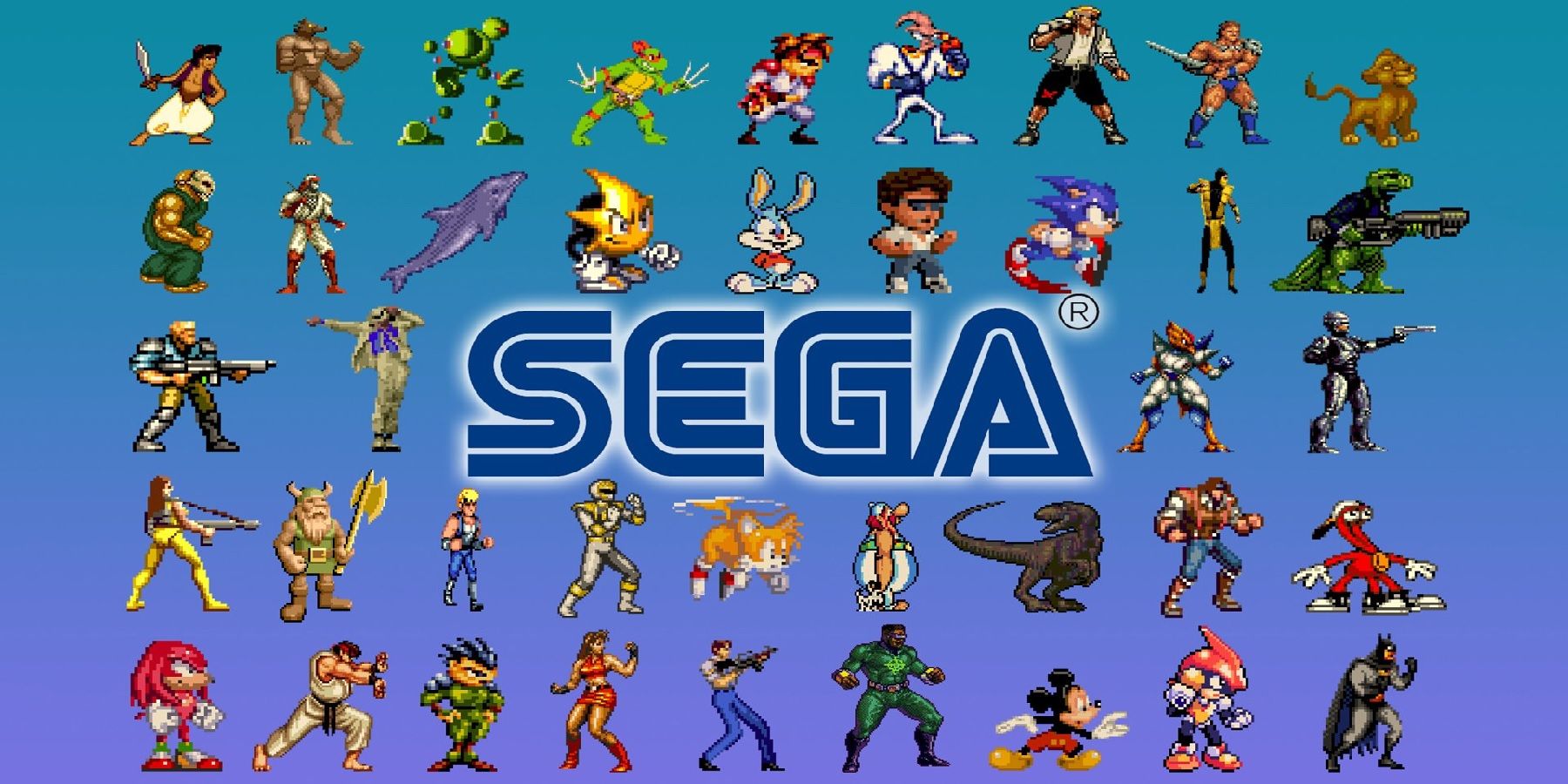
- Focus on Key Franchises: Under Sega Sammy, there's been a clear push to revitalize and expand existing beloved franchises like Sonic the Hedgehog, Persona, Yakuza (Like a Dragon), and Total War. This strategy makes sense for gamers who have limited time; they often gravitate towards established series they know and love, offering a reliable path to fun and skill-building.
- Platform Diversity: Sega now publishes games across a wide array of platforms including PC, PlayStation, Xbox, Nintendo Switch, and mobile. This multi-platform approach, often incorporating cross-play features, caters to the modern gamer who might own multiple devices or prefer gaming on the go, a huge trend as mobile gaming continues its growth spurt.
- Global Expansion: The holding company supports Sega's efforts to expand its presence in Western markets, evidenced by acquisitions like Atlus (developer of Persona) and Amplitude Studios (Endless Space series). This ensures more games reach a global audience, addressing a common pain point of region-locked titles or delayed releases for those of us outside Japan.
This strategic direction, influenced by the parent company, directly impacts what games we get to play, where we can play them, and how quickly we can access new content.
Are Popular Sega Franchises Still Wholly Owned by Sega?
Yes, for the most part, all the iconic Sega gaming franchises you know and love are still wholly owned and managed by Sega, under the umbrella of Sega Sammy Holdings. When Sega acquired companies like Atlus or Creative Assembly, the intellectual property (IP) for their games also became part of the Sega family.
- Sonic the Hedgehog: Remains Sega's flagship character.
- Yakuza / Like a Dragon: Developed by Ryu Ga Gotoku Studio, a subsidiary of Sega.
- Persona / Shin Megami Tensei: Developed by Atlus, a wholly owned subsidiary of Sega.
- Total War: Developed by Creative Assembly, another Sega subsidiary.
This means that while the overarching corporate entity is Sega Sammy, the creative and development teams directly responsible for these games are part of Sega's gaming division. This structure helps maintain the integrity and vision of these franchises, ensuring that the legacy of these titles continues for generations of gamers who appreciate consistency and quality.
What is Sega's Strategy in the Modern Gaming Market?
Sega's strategy in 2026 is a dynamic mix of leveraging its rich history and embracing future trends, all under the guidance of Sega Sammy Holdings. For busy gamers, it's about smart choices and delivering value.
- Remasters and Reboots: Capitalizing on nostalgia, Sega often brings back classic titles with modern graphics and improved gameplay. This offers a great way for older gamers to revisit cherished memories and for new players to experience gaming history.
- Live Service & Free-to-Play: Recognizing the success of persistent online experiences, Sega invests in live-service titles and free-to-play models, especially in the mobile sector. This caters to players who enjoy long-term engagement and social gaming, allowing for flexible playtimes without a hefty upfront cost.
- IP Utilization: Sega is actively exploring its vast library of IPs for cross-media opportunities, including movies, TV shows, and merchandise, expanding its reach beyond just video games. This keeps beloved characters like Sonic relevant across different forms of entertainment.
- Innovation in Tech: While not a console manufacturer anymore, Sega invests in new technologies like cloud gaming partnerships and exploring VR elements in certain titles. This aligns with the desire of many tech-savvy gamers to stay current without needing to be early adopters of every new hardware release.
These strategies directly address common gamer pain points like wanting new content from familiar franchises, finding budget-friendly gaming options, and having flexible ways to play given their busy schedules.
How Does Mobile Gaming Fit into Sega's Future?
Mobile gaming is a huge priority for Sega, reflecting a broader industry trend. For many of us, especially those balancing jobs and families, mobile games offer quick, accessible entertainment on the go. Recent US gaming stats confirm mobile dominance, with a significant portion of the 87% of regular gamers often playing on their smartphones. Sega's approach to mobile includes:
- Casual and Core Experiences: From simplified versions of classic titles to new, original mobile-first games, Sega is targeting a wide demographic. This allows for quick, stress-relieving sessions or deeper engagements, depending on your available time.
- Microtransactions and Battle Passes: Like many publishers, Sega incorporates these monetization models into its mobile titles. While sometimes controversial, they offer an accessible entry point (free-to-play) with optional purchases for customization or progression, fitting the value-for-money mindset if managed wisely.
- Cross-Platform Integration: Some Sega mobile titles are designed to complement console/PC experiences, offering companion apps or shared progress. This caters to the modern gamer's desire for seamless transitions between devices.
This focus ensures that Sega remains relevant in a rapidly evolving market, providing gaming solutions for every aspect of a busy gamer's life.
Is Sega Partnering with Other Major Gaming Companies?
Yes, Sega frequently engages in partnerships and collaborations with other major gaming companies, which is a common strategy in the industry to expand reach, share resources, and create unique experiences. These collaborations can take various forms:
- Publishing Deals: Sometimes Sega will publish games developed by smaller studios or partner with larger publishers for specific regional releases.
- Crossovers: Fan-favorite characters or IPs might appear in games from other companies (e.g., Sonic in Super Smash Bros.), boosting brand visibility and offering exciting content.
- Technology Sharing: Partnerships can involve sharing expertise in game engines, online infrastructure, or emerging technologies like cloud streaming.
These partnerships are beneficial for gamers as they can lead to more diverse game offerings, wider platform availability, and sometimes even innovative new gameplay experiences that wouldn't be possible otherwise. For example, seeing a Sega character in a trending social game fosters community and fresh challenges.
What Recent Games Reflect Sega's Current Direction?
Looking at Sega's recent releases provides a clear picture of their strategic direction under Sega Sammy Holdings:
- Sonic Superstars (2023): A return to classic 2D platforming with modern graphics and cooperative multiplayer, catering to both nostalgic fans and new players. This appeals to gamers looking for fun, skill-building, and social play with friends or family.
- Like a Dragon: Infinite Wealth (2024): Continues the beloved Yakuza series' blend of serious storytelling and outlandish side activities, now with a new protagonist and a Hawaii setting. Its RPG combat offers deep strategy for those who enjoy skill optimization.
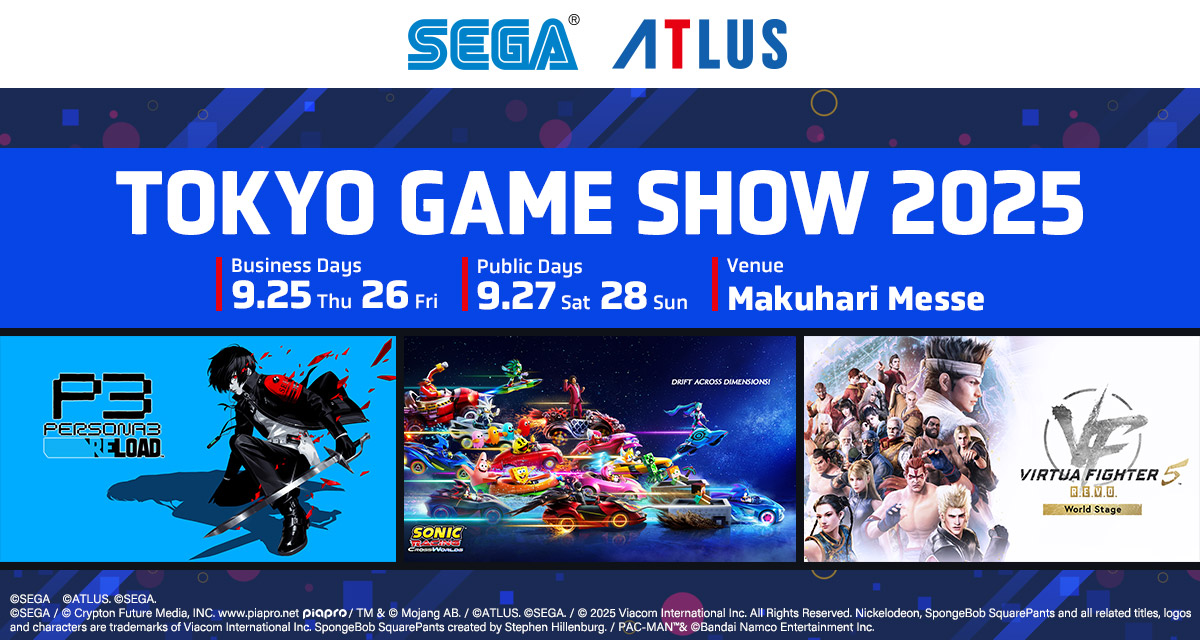
- Persona 3 Reload (2024): A full remake of a classic RPG, offering updated visuals and quality-of-life improvements. This demonstrates Sega's commitment to revitalizing its acclaimed back catalogue for new audiences and veterans alike, tapping into the demand for value for money and polished experiences.
- Total War: Pharaoh (2023): Expands the critically acclaimed strategy series with a new historical setting, appealing to PC gamers who value deep strategic gameplay and historical immersion.
These titles showcase Sega's diverse portfolio, catering to various gaming preferences, from fast-paced action to deep RPGs and grand strategy, while aiming for high quality and broad appeal across platforms.
How Can Gamers Stay Up-to-Date on Sega News Without the Hype?
Staying informed about Sega's moves without getting sucked into endless speculation is crucial for busy gamers. Here's how:
- Official Sega News Channels: Follow Sega's official social media (X/Twitter, Facebook, YouTube) and their dedicated news blog. This is the most direct source.
- Reputable Gaming News Sites: Stick to well-established gaming publications known for their balanced reporting. Look for sites that prioritize factual reporting over clickbait.
- Gaming Community Forums: Engage in moderated communities on platforms like Reddit (e.g., r/Sega, r/Games) or Discord servers dedicated to specific Sega franchises. These can be great for quick summaries and discussions, just filter out the overly hyped discussions.
- Industry Analyst Reports (Simplified): Occasionally, gaming news sites will summarize key points from financial reports or investor calls from Sega Sammy Holdings. These often reveal strategic shifts before new games are even announced.
By using these resources, you can quickly grasp significant announcements and trends, helping you make informed decisions about your gaming budget and time, without needing to sift through mountains of marketing fluff.
---
Frequently Asked Questions About Sega Gaming
Is Sega still making consoles?
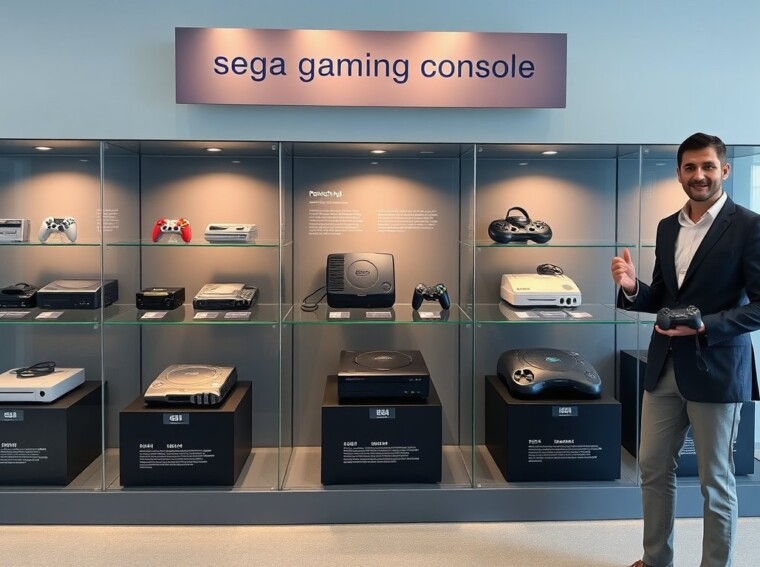
No, Sega officially exited the console hardware business in 2001 after the Dreamcast. Today, Sega is primarily a third-party game developer and publisher, releasing titles for platforms like PlayStation, Xbox, Nintendo Switch, PC, and mobile devices.
Who created Sonic the Hedgehog?
Sonic the Hedgehog was created by Yuji Naka, Naoto Ohshima, and Hirokazu Yasuhara at Sega. The original game was developed by Sonic Team, a division within Sega, and remains one of Sega's most iconic and valuable intellectual properties.
Can I play classic Sega games on modern platforms?
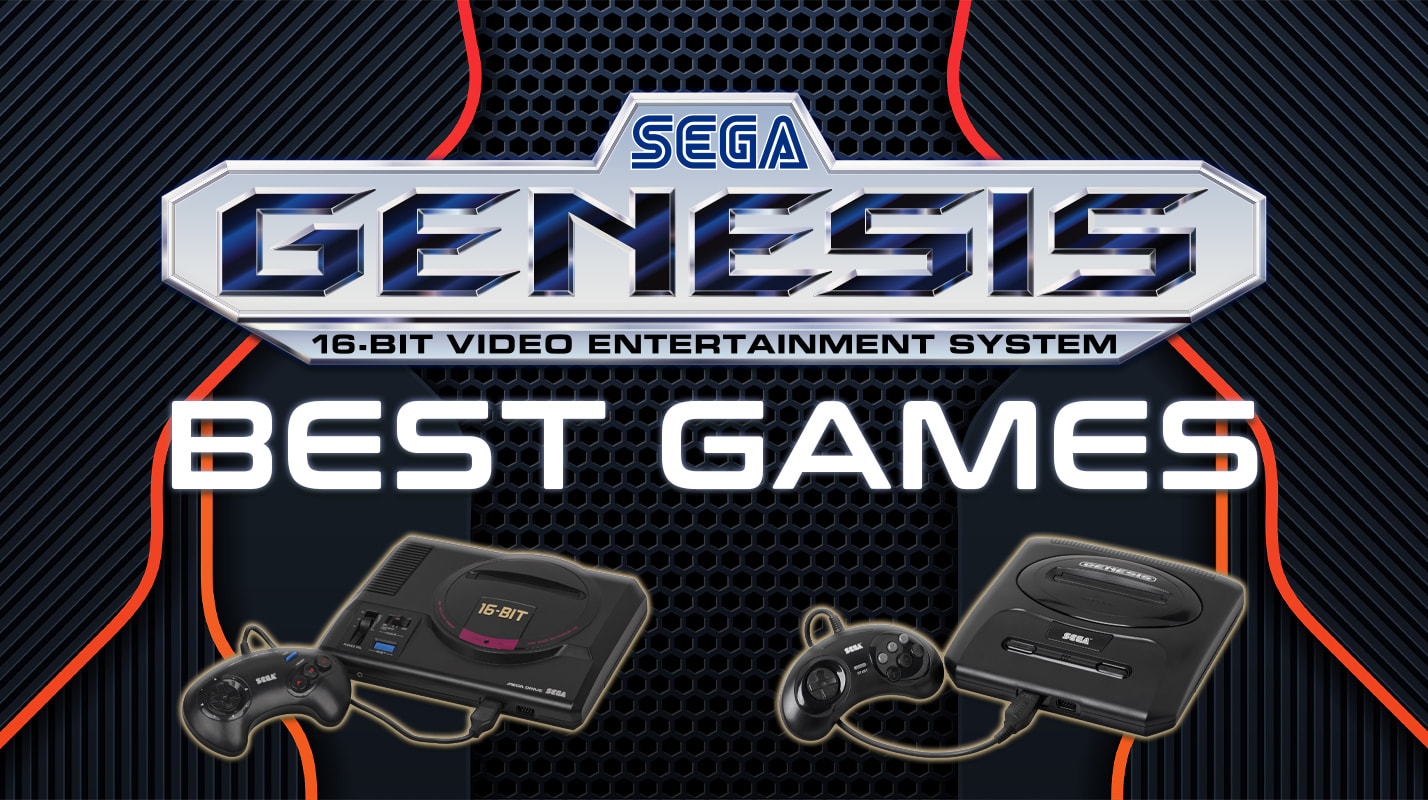
Yes, many classic Sega games are available on modern platforms through various means, including re-releases, remasters, compilations like the Sega Genesis Classics, and digital storefronts. Sega also offers some classic titles on mobile and through subscription services like Nintendo Switch Online.
Does Sega focus more on console or mobile gaming now?
Sega maintains a strong presence in both console/PC and mobile gaming. While mobile gaming generates significant revenue and reaches a broad audience, Sega continues to develop and publish major titles for traditional consoles and PC, balancing both markets to maximize its global reach and appeal.
---
So, there you have it. Sega gaming isn't just a nostalgic memory; it's a vibrant, evolving part of the entertainment industry, strategically guided by Sega Sammy Holdings. Understanding this structure helps us, the dedicated gamers who juggle life's demands, make sense of new releases, anticipate future trends, and continue to enjoy the franchises we love without getting lost in corporate jargon. You're now equipped with the knowledge to appreciate the bigger picture behind your favorite games, allowing you to optimize your gaming choices and truly get the most out of your valuable play time.
What's your biggest gaming challenge when balancing life and play? Comment below and let's share some tips!
Sega is primarily owned by Sega Sammy Holdings a Japanese conglomerate. This parent company oversees Sega's diverse entertainment sectors including gaming arcade machines and animation. Sega's gaming division remains a key part of its business focusing on console PC and mobile titles. Understanding this structure helps gamers anticipate future game directions and platform strategies.
34

SEGA Partners With Asian Games 2026 Puyo Puyo Champions Makes Its SEGA Asia Games 2026 News FI . Sega Super Game Arriving In 2026 Sega Super Game . Sega Gears Up For The Creation Of Super Game By 2026 Aditya S 1 1200x675 1 . Sega Game Gear Collecting In 2026 My Latest Pickups BIG Series . Sega Racing Returns In 2026 New Kart Game With Endless Surprises 1b7c0d24 E192 4b4d 8f4f


Sega Genesis Mini Statistics 2026 Sega Genesis Mini Statistics 2026 . Sega Genesis Mini Statistics 2026 Sega Genesis Mini Statistics 2026 . Sega S First Super Game Making Steady Progress Still Targeting 2026 Large . Sega Super Game Arriving In 2026 Sega New Game . Sega Gaming Console The Complete Guide To Sega S Consoles History Airtable 1 760x567
Sega S Super Game May Launch By 2026 Sega GiGO . At 95 Years Old David Rosen The Man Who Helped Create SEGA Boosted Morre David Rosen Cofundador Da Sega E Dos Arcades Rmrm97 . SEGA Publisher Sale March 2026 Is Now Live Featuring Deals On Yakuza Sega Publisher Sale March 2026.webp. Sega Provides Details For Its Mysterious Super Game Project Which Is 970 80 . Does Nintendo Own Sega The Truth Behind Two Gaming Giants In 2026 Airtable 1.webp


Sega Genesis Mini Statistics 2026 Icon Era Statistics Sega Genesis Mini Statistics 2026 768x718 . Who Owns Sega Crazy For Business Sega 1024x683 . Sega Teases Return Of 30 Year Old Series In 2026 ComicBook Com S E G A . Who Owns Sega FourWeekMBA Who Owns Sega . SEGA S New Super Game Set For 2026 May Include Crazy Taxi Or Jet Set 94151 3 Segas New Super Game Coming In 2026 May Include Crazy Taxi Or Jet Set Radio Live Games Full
Sega Gives Update On Its 2026 Super Game Sega . Sega Plans To Create Super Game By 2026 Sega Super Game Report . Is Sega Owned By Disney March 2026 Is Sega Owned By Disney . Sega Plans To Create A Super Game By 2026 TechStory 1024x529 . 20 Best Sega Genesis Games To Play In 2026 Gaming Classics Best Sega Genesis Games

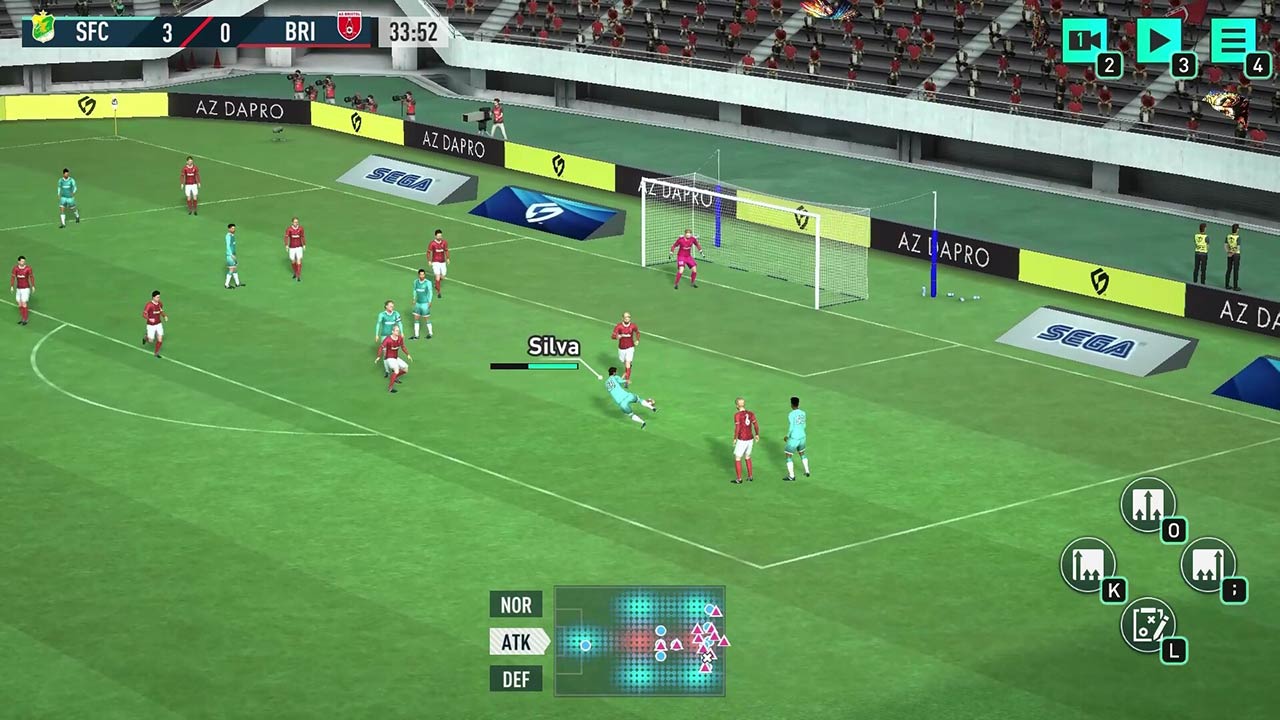

SEGA Football Club Champions 2026 Release Date Platforms Features F95046. Sega S Super Game Set For 2026 Release Sega Announces Super Game By 2026 476667 1200x675 . SEGA Football Club Champions 2026 Launches January 22 GamerBraves SEGA Football Club Champions 2026 Release Date News Image 1 . Brands Owned By Who Owns Sega . Who Owns Sega FourWeekMBA Sega Revenue
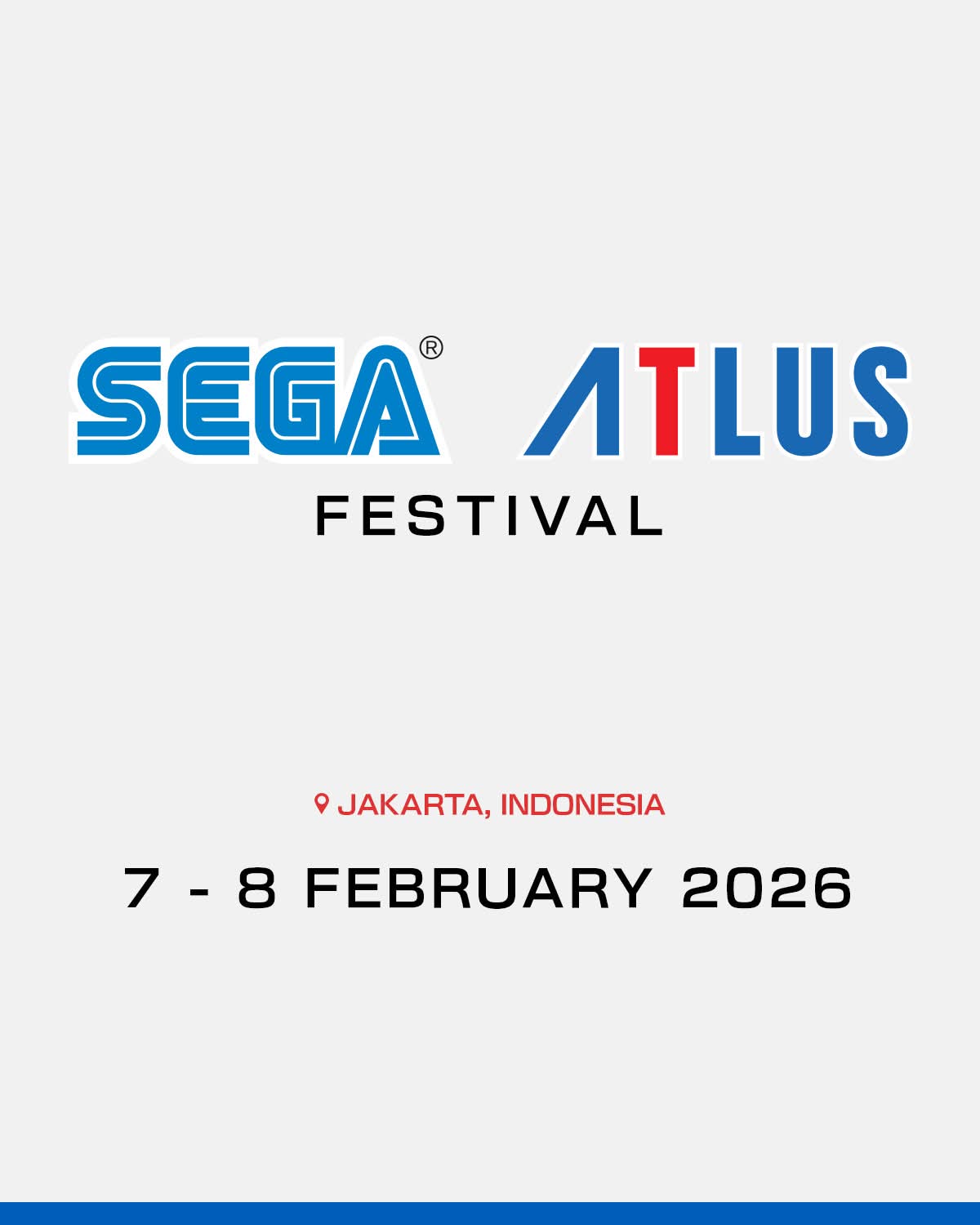

Sega Gives Update On Its 2026 Super Game Eternal Champions Movie 1 . SEGA Asia Announces SEGA ATLUS Festival 2026 In Jakarta Indonesia 1000069806 . EA SPORTS FC 26 LINEUP SEGA ATLUS TGS 2025 Website Ogp . Sega Plans Its Super Game By March 2026 While A Succession Of Old Sega Ip Sales