Ever wondered who makes Kirby games and why the pink puffball has such a unique development history compared to other Nintendo stars? This navigational guide explores the intricate partnership between HAL Laboratory and Nintendo which has lasted for over three decades of gaming. You will learn about the visionary creators like Masahiro Sakurai and Satoru Iwata who shaped the series from its humble Game Boy beginnings. We also detail how external studios such as Good Feel and Vanpool have contributed to experimental spin-off titles over the years. This article provides a comprehensive look at the production cycle, the role of Warpstar Inc, and what the future holds for Kirby on the Nintendo Switch. Dive into the world of Dream Land and discover the creative force behind one of the most beloved franchises in the video game industry today.
Who is the primary developer of Kirby games?
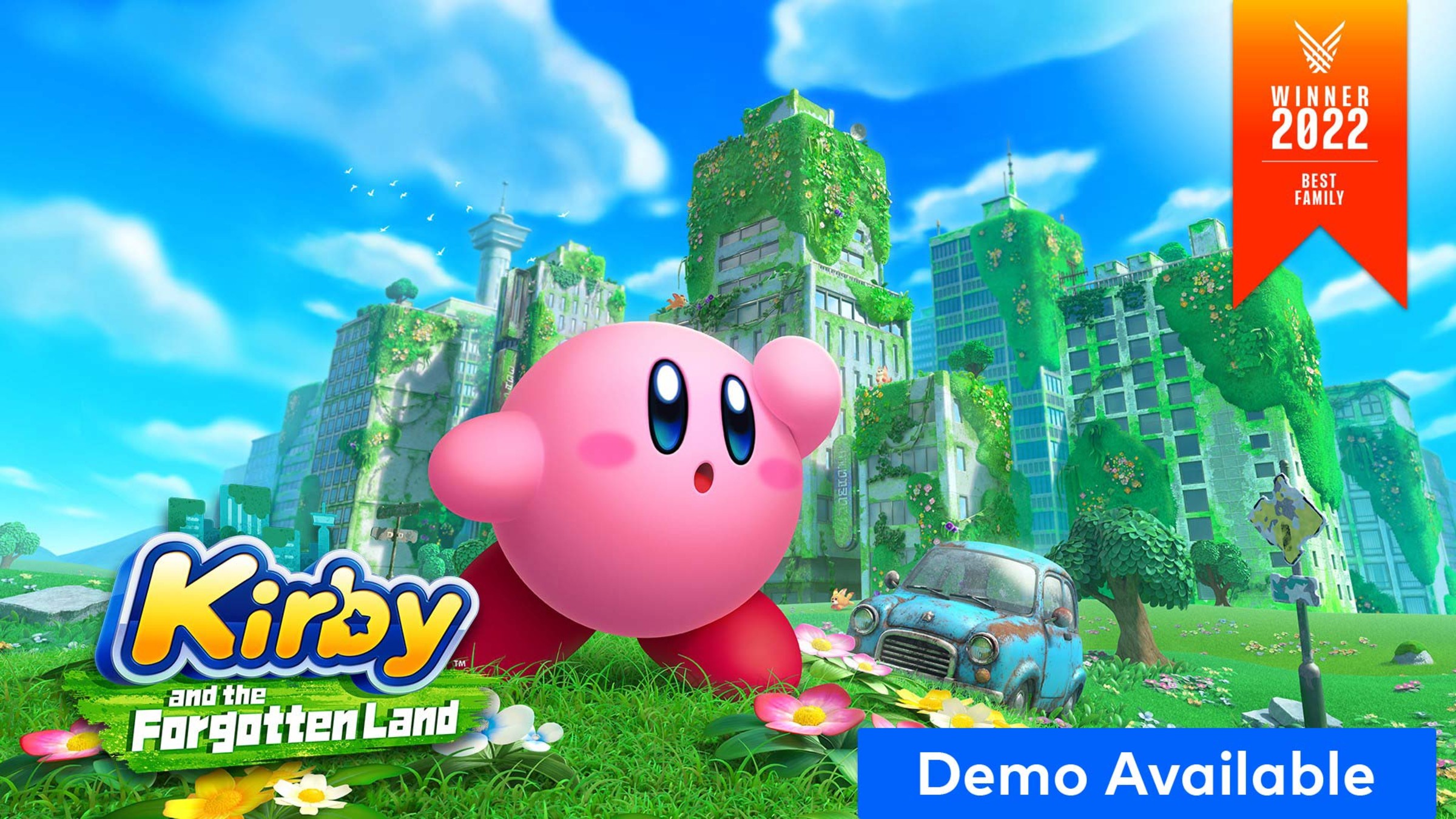
HAL Laboratory is the primary developer for the Kirby series and has been since the first game in 1992. While Nintendo publishes the titles and owns a significant stake in the franchise the creative work happens at HAL's independent studios. They are famous for their polished gameplay and unique art styles seen in modern hits like Forgotten Land.
Did Nintendo create Kirby?
Nintendo did not create Kirby directly but they provided the platform and publishing support that made him famous. The character was actually created by Masahiro Sakurai while he was an employee at HAL Laboratory. Today Nintendo and HAL share the rights to the character through a joint venture called Warpstar Inc which manages the franchise.
Who currently directs the Kirby series?
Shinya Kumazaki is the current general director of the Kirby series at HAL Laboratory. He has been the lead creative force since Kirby Super Star Ultra and is responsible for the modern lore and 3D gameplay. His vision has successfully modernized the franchise while keeping the classic charm that fans have loved for over thirty years.
Are there any other studios that make Kirby games?
Yes several external studios have developed Kirby spin-offs under the supervision of HAL and Nintendo. Good-Feel created the visually stunning Kirby's Epic Yarn while Vanpool worked on titles like Kirby and the Rainbow Curse. These partnerships allow the series to experiment with new art styles and gameplay mechanics without interrupting the core development team at HAL.
What is the relationship between HAL Laboratory and Nintendo?
HAL Laboratory and Nintendo have a second party relationship which means HAL is an independent company that works almost exclusively for Nintendo. They are not owned by Nintendo but they share a deep history and even occupy the same office buildings in some locations. This close bond ensures that Kirby remains a top tier exclusive mascot for Nintendo hardware.
Most Asked Questions about Who Makes Kirby Games
Beginner Questions
Many people ask who owns Kirby and if he is a Nintendo character. The answer is that he is co-owned by Nintendo and HAL Laboratory which is why he only appears on Nintendo systems. If you are just starting the series you should know that the games are designed to be easy for everyone to play. This was the original goal of the creator Masahiro Sakurai back in the early nineties. You will find that most games have a lot of heart and very smooth controls. Try starting with a modern title like Star Allies or Forgotten Land to get a feel for the series.
Development and Production
How long does it take to make a Kirby game? Usually a main title takes about two to three years of development time at HAL Laboratory. They focus on making sure the copy abilities feel fun and that the levels have lots of secrets to find. The team is known for their high standards and they often delay games if they are not perfect. This commitment to quality is why the series has remained popular for over three decades. You can really see the effort in the animations and the beautiful background art in every stage. It is a true labor of love from the staff in Japan.
Lore and Storytelling
Why is there so much lore in a game about a pink ball? Shinya Kumazaki loves adding hidden depth to the world of Dream Land for the dedicated fans to discover. He uses the pause screen and secret boss descriptions to tell stories about ancient civilizations and powerful deities. This makes the games feel much larger and more mysterious than they appear on the surface. Many fans enjoy theorizing about how all the different games connect in one big timeline. It is one of the most rewarding parts of being a long time fan of the franchise. You should definitely read the boss descriptions next time you play!
The world of Kirby is a fascinating blend of corporate partnership and creative genius. It is amazing how a small independent studio like HAL Laboratory has maintained such a high level of quality while working with a giant like Nintendo. This relationship has allowed for constant innovation and the courage to try new things like yarn graphics or full 3D worlds. Explaining this to a friend is simple: HAL builds the magic and Nintendo shares it with the rest of the world. It is a perfect match that has stood the test of time in an industry that changes very fast. I hope you feel more connected to the developers now when you see that pink puffball on your screen. Knowing the history makes every floating jump and copy ability feel even more special. One interesting takeaway is that Kirby was originally white on the American box art of his first game because of a communication mix up! Why it actually matters is because it shows how much care and collaboration goes into every single pixel of these games.
Have you ever wondered who makes Kirby games and how this adorable pink character became a global gaming icon today? I get asked this question a lot because the relationship between the developer and the publisher is quite unique. The primary creator of the series is a Japanese studio called HAL Laboratory which works closely with Nintendo staff. This partnership has lasted for over thirty years and resulted in some of the most creative platforming games ever. I remember being a kid and seeing the HAL Laboratory logo pop up on the screen before the music. It felt like a secret club because nobody really knew what that egg shaped logo stood for back then. Today we are diving deep into the history of the Kirby series to uncover the brilliant minds at HAL. We will look at how a young Masahiro Sakurai changed the platforming genre forever with a simple placeholder design. This article is your ultimate guide to the developers and directors that bring Dream Land to your living room.The Foundation of HAL Laboratory and Kirby
To understand who makes Kirby games today we must look back at the early nineties when everything first started out. HAL Laboratory was an independent developer that struggled financially before the massive success of our favorite pink hero in 1992. Masahiro Sakurai wanted to create a game that beginners could enjoy while offering a deep challenge for veteran players too. He designed a simple round character originally named Popopo as a placeholder during the early stages of the development. The team eventually fell in love with the simple design and decided to keep it for the final game. Nintendo saw the potential in this charming project and agreed to publish the game on the original Game Boy. This began a relationship that would see HAL Laboratory become one of the most trusted partners for Nintendo titles. Satoru Iwata was another key figure at HAL who later became the legendary president of the entire Nintendo company. He helped program many of the early titles and ensured that the technical quality was always at its peak.The Role of Nintendo as a Publisher and Partner
Many fans often mistake Kirby for a purely Nintendo developed game like Super Mario or The Legend of Zelda series. While Nintendo owns the trademark and co-owns the copyright they do not actually build the games in their offices. Nintendo provides the funding and marketing while also assisting with the overall quality control for every new Kirby release. They work as a guiding hand to ensure that every game meets the high standards of their hardware platforms. This collaborative effort is managed through a joint venture called Warpstar Incorporated which was created specifically for the franchise. Warpstar handles the licensing and the animated series to keep the brand consistent across all different types of media. It is a fascinating business model that allows HAL Laboratory to maintain its creative independence while having Nintendo support. You can see this influence in how polished the modern games like Forgotten Land feel on the Switch hardware. The developers at HAL have access to Nintendo technology which helps them push the boundaries of what Kirby can do.External Developers and Experimental Spin Offs
While HAL Laboratory makes the main games they sometimes let other talented studios take a crack at the pink puffball. For example the beautiful game Kirby's Epic Yarn was actually developed by a studio called Good-Feel located in Japan. They specialize in unique art styles and worked closely with HAL to make sure Kirby felt right in yarn. Another studio called Vanpool worked on titles like Kirby Fighters and the strange but fun Rainbow Curse on Wii U. These partnerships allow the series to experiment with different genres without distracting the core team from the main games. I think it is great when different creative minds get to play in the sandbox of Dream Land occasionally. It keeps the franchise feeling fresh and gives us unique experiences that we might not get otherwise from HAL. However the core identity of the series always remains under the watchful eye of the long time HAL staff. They ensure that Kirby always retains his signature charm and accessibility regardless of who is actually coding the game.Meet the Modern Visionaries of Dream Land
In the current era Shinya Kumazaki has taken over as the general director and the main creative force for Kirby. He is responsible for deepening the lore of the series and creating the epic boss battles we love today. Many fans enjoy how he hides dark secrets and complex backstories within the colorful and happy worlds of Kirby. He started his career at HAL during the GameCube era and has climbed the ranks to lead the franchise. Under his leadership we have seen the series transition into full three dimensional movement with the recent Forgotten Land. This was a massive technical hurdle that the team spent years trying to perfect for the Nintendo Switch console. I really admire how the team stays true to their roots while still taking massive risks with new mechanics. They understand that Kirby fans love both the cozy atmosphere and the intense challenges found in the post game. The current team at HAL Laboratory is larger and more diverse than it has ever been in their history.Beginner / Core Concepts1. **Q:** Who is the actual company that makes the Kirby video games? **A:** I get why this confuses people because Nintendo's name is on every box but the real credit goes to HAL Laboratory. This independent Japanese studio has been the primary developer since the very first game back in 1992. Think of them as a close creative partner rather than an internal Nintendo team. They have their own offices and staff but they work almost exclusively on games for Nintendo systems. It is a unique relationship where they share the character rights but HAL does the heavy lifting on design. You can always spot their iconic egg logo when you boot up a Kirby game on your console. Try looking for that logo next time you play and you will know who to thank for the fun! 2. **Q:** Did the person who made Smash Bros also create Kirby? **A:** Yes he absolutely did and it is one of the coolest facts in gaming history if you ask me. Masahiro Sakurai was only nineteen years old when he designed Kirby to be a hero for everyone to enjoy. He wanted a character that was easy to draw and even easier for new players to control on Game Boy. Later on he used that same philosophy of accessibility to create the Super Smash Bros series we all love today. You can even see Kirby's influence in Smash Bros through the simple controls and the floating jump mechanics. It is amazing to think that one teenager's drawing became two of the biggest franchises in the world. You have got this! 3. **Q:** Is Kirby a first party Nintendo character? **A:** This is a bit of a technicality but Kirby is considered a second party character owned by Nintendo and HAL. This means while Nintendo owns the brand the games are made by an outside company that they do not own. However for most players it makes no difference because you can only play Kirby games on Nintendo consoles anyway. He is treated with the same level of respect and marketing power as Mario or Link in every way. The partnership is so tight that most people just assume Kirby is a standard first party Nintendo mascot today. It works perfectly because both companies have a shared interest in making the pink puffball a huge success. 4. **Q:** Why does Kirby look so simple compared to other game characters? **A:** I used to think he was just a circle because the developers were lazy but the truth is much smarter. Sakurai wanted Kirby to be a placeholder during development so they could focus on the gameplay and level design first. They eventually realized that the simple round shape was incredibly cute and very easy for the hardware to animate. This simplicity allows the developers to give Kirby hundreds of different hats and abilities without overcomplicating his basic model. It also makes him very recognizable and easy for children to draw on their own which helps with popularity. His simple design is actually a masterpiece of functional game art if you look at it closely.Intermediate / Practical & Production1. **Q:** How many people actually work on a modern Kirby game at HAL Laboratory? **A:** Building a game like Kirby and the Forgotten Land takes a lot more people than the old handheld titles did. Usually a core team of about one hundred to one hundred and fifty developers at HAL works on a project. They also hire external contractors and get help from Nintendo's internal support teams for things like testing and music. This size allows them to maintain a high level of polish while finishing games every few years for us. It is a medium sized studio that focuses on quality over quantity which is why their games feel so good. You can really feel the artisan touch in every hidden secret and smooth animation they put in the game. 2. **Q:** What exactly is the role of Warpstar Inc in the Kirby franchise? **A:** I used to trip over this name in the credits but Warpstar Inc is actually a very important joint venture. It was formed by Nintendo and HAL Laboratory to manage the Kirby brand and the popular animated TV show. They make sure that Kirby looks the same whether he is in a video game or on a t-shirt. This company handles the legal side of things so the developers can focus strictly on making the games fun. It is like a protective shield for the character to ensure he never gets misused in bad projects or ads. This shared ownership is why you rarely see Kirby appearing in non Nintendo media without a lot of legal work. 3. **Q:** Who is Shinya Kumazaki and why is he important to fans? **A:** If you love the deep lore and the crazy boss fights in recent games then you need to know Kumazaki. He is the current General Director at HAL Laboratory and has been the lead on Kirby for many years. He is famous for adding secret stories and scary background details that give the world a lot of depth. Many fans call him the guardian of Kirby because he respects the history while pushing the series forward. He was the one who finally successfully moved Kirby into a full 3D world with the Forgotten Land game. He brings a lot of passion to the series and often writes the flavor text for the bosses himself. 4. **Q:** Does Nintendo own HAL Laboratory like they own Retro Studios? **A:** This is a common misconception but Nintendo does not actually own HAL Laboratory as a subsidiary company. They are independent but they have a very deep history of working together that makes them almost inseparable. HAL started out making PC games before becoming a dedicated Nintendo developer in the early days of the Famicom. They even moved their offices into a Nintendo building in Tokyo a few years ago to work even closer. So while they are technically their own boss they almost never make games for any other platforms or companies. This arrangement gives them creative freedom while staying safe under the wing of a giant like Nintendo. 5. **Q:** Why do some Kirby games have different art styles like yarn or clay? **A:** I love how the series isn't afraid to look weird and this is usually because of external developers. When a studio like Good-Feel or Vanpool helps out they often bring a unique visual gimmick to the table. This allows HAL to keep the main series looking traditional while these spin offs try something totally new and experimental. It is a great way to see if players like different types of gameplay without changing the core series too much. These games are like a creative vacation for the franchise where the rules of physics and art can be broken. It keeps the brand from getting stale after thirty years of releases on the same consoles. 6. **Q:** How does HAL Laboratory handle the music for the Kirby series? **A:** The music is a huge part of the identity and it is mostly handled by long time composers like Jun Ishikawa. He has been with HAL since the beginning and created many of the iconic themes we hum along to. They use a mix of electronic sounds and live orchestral recordings to get that magical Dream Land feeling. The sound team works closely with the designers to make sure the music matches the speed and tone of the levels. This is why the transition between a happy level and a scary boss fight feels so smooth and natural. They take their audio very seriously and often release huge soundtrack collections for the dedicated fans to buy.Advanced / Research & Frontier1. **Q:** What technical challenges did HAL face when moving Kirby to 3D? **A:** This was actually a huge problem that kept the series in 2D for a lot longer than Mario or Zelda games. Because Kirby is round it was hard for players to judge distances and hit enemies in a 3D space accurately. The developers at HAL had to create a new system called fuzzy hit detection to help the player feel more powerful. This system detects if Kirby is close enough to an enemy and counts it as a hit even if the models don't touch. They also had to rethink how his floating ability worked so players wouldn't just fly over every single challenge in the level. It took years of prototyping different versions before they finally felt the 3D movement was good enough for a release. Try noticing how the camera follows you in Forgotten Land and you will see their brilliant work. 2. **Q:** How did Satoru Iwata save HAL Laboratory during the development of early Kirby? **A:** This is a legendary story in the industry because the studio was actually facing bankruptcy in the early nineties. Iwata was a brilliant programmer who stepped up as president and reorganized the entire company to be more efficient. He personally helped code games like Kirby's Adventure to make sure they were finished on time and at high quality. His leadership saved the company and his success with Kirby is part of why Nintendo eventually made him their president. He believed that games should always be about bringing smiles to people and he kept that spirit at HAL. Without his genius and his dedication to the pink puffball HAL Laboratory might not even exist today. 3. **Q:** What is the significance of the HAL Laboratory logo with the egg in the nest? **A:** The logo is called the Inutamago which translates to dog egg and it represents a very specific philosophy. It symbolizes the idea of a dog nurturing something unexpected and new like a creative idea in a nest. It represents HAL's commitment to hatching new ways to play and surprising their audience with every single project they start. The team at HAL sees themselves as the dog protecting these fragile new ideas until they are ready for the world. It is a very humble and artistic way to look at game development which is typical for their studio culture. This logo has become a mark of quality that fans have trusted for over three decades of gaming. 4. **Q:** How does the lore of Kirby connect across different games made by HAL? **A:** Even though the games look cute and simple Shinya Kumazaki has built a very complex timeline over the years. He uses pause screen descriptions and hidden collectibles to tell a story about ancient civilizations and cosmic gods. While you don't need to know the lore to enjoy the game the developers put it there for the older fans. They connect characters from the SNES era to the modern Switch games to make the world feel alive and lived in. This storytelling method is very similar to how the Dark Souls games handle their hidden narrative and secrets. It shows that the developers at HAL have a lot of respect for their audience's intelligence and curiosity. 5. **Q:** What is the future of Kirby games according to recent HAL Laboratory interviews? **A:** The developers have hinted that they want to continue exploring 3D worlds while also keeping the 2D gameplay alive. They see Kirby as a character that can fit into almost any genre because his mechanics are so flexible and fun. We might see more experimental games that use the Switch's unique features like motion controls or touch screens again. The success of Forgotten Land proved that fans are ready for bigger and more ambitious adventures in Dream Land. HAL Laboratory is currently hiring more staff to help build even larger games for the next generation of hardware. You should be very excited because the best days of the pink puffball are likely still ahead of us!Quick Human Friendly Cheat Sheet for This Topic- HAL Laboratory is the main brain behind Kirby while Nintendo is the publisher and big brother who helps out. - Masahiro Sakurai is the father of Kirby and he designed the character when he was just a teenager. - Satoru Iwata was the legendary programmer at HAL who later became the president of Nintendo. - Shinya Kumazaki is the current boss of the series and the man responsible for all the cool lore and 3D gameplay. - Kirby is technically a second party franchise which means the rights are shared between two different companies. - The pink color was a point of debate until Shigeru Miyamoto and Sakurai agreed it was the best choice. - You can always trust a Kirby game to be high quality because HAL Laboratory takes their time to polish every detail. Try these games out and let me know which one is your favorite!"
HAL Laboratory is the primary developer of the Kirby series since its inception in 1992. Masahiro Sakurai created Kirby at the age of 19 while working at HAL Laboratory. Nintendo serves as the exclusive publisher and co-owner of the Kirby intellectual property. Shinya Kumazaki is the current general director overseeing the modern Kirby lore and games. Experimental titles like Kirby's Epic Yarn were developed by external partner studios like Good-Feel.
35


Why Nintendo Should Delay Kirby Air Riders To 2026 YouTube . The Next 3D Kirby Game Will Release In YouTube . Kirby Games On Nintendo Switch For 2026 GAMES GG Medium Kirby Games On Nintendo Switch For 2026 56143782a5 . Skrik 5 Kirby Scream 5 Confirmed Kirby Is Alive . Kirby Air Riders Gets New Update For February 2026 Kirby Air Riders Press Image 5


New Kirby Game Rumours Speculation Our Expert Thoughts On What S New Kirby Game Rumours . Evolution Of Kirby Games 1992 2026 YouTube . Evolution Of Kirby Games 1992 2025 YouTube . Nintendo S Preparing For The NEXT Big Kirby Game Here S All The . 13 Best Kirby Games In 2026 Eneba Hub Best Kirby Games 1024x574



DSL THIS FRIDAY Is The First Stream Of 2026 And Kicking The Year Off Media. Is There A Kirby Game For Nintendo Switch T M Hi U V C C T A Game H P D N. Evolution Of Kirby Game Graphics In Nintendo Games 1992 2025 YouTube . Evolution Of Kirby Video Games 1992 2025 YouTube . Every Kirby Game On The Nintendo Switch And Switch 2 In 2026 Katfl
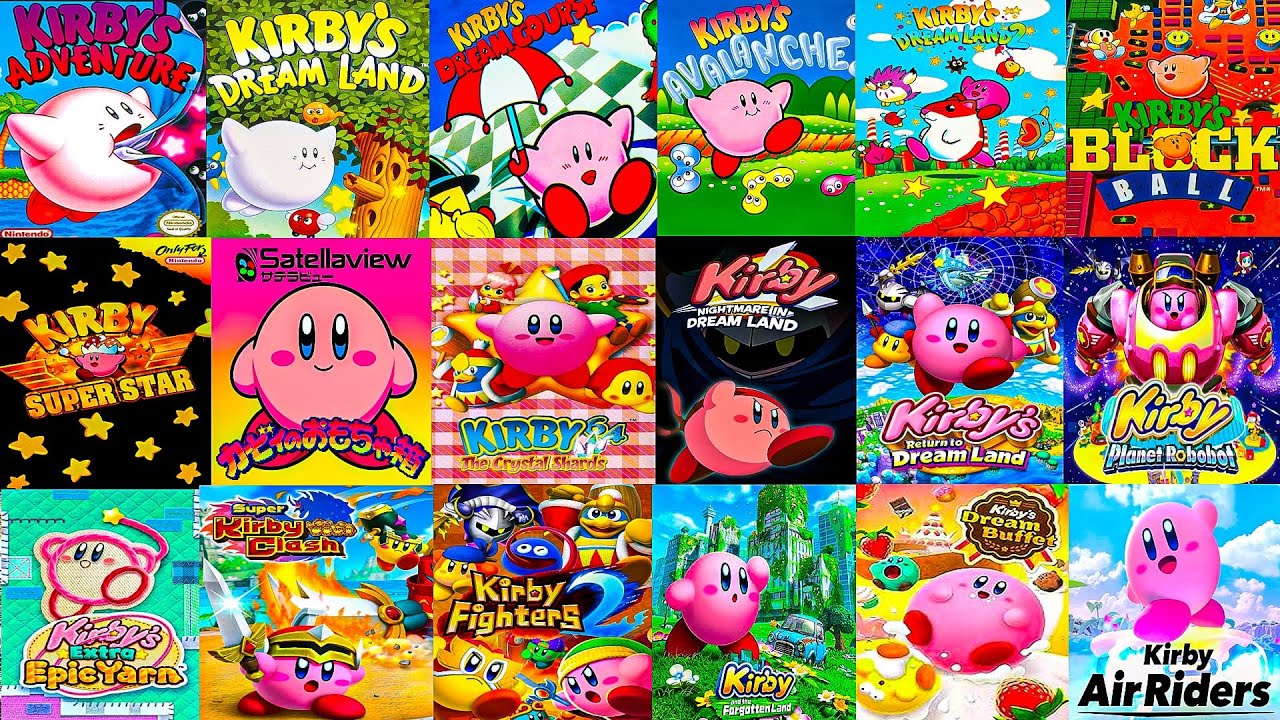


13 Best Kirby Games In 2026 Eneba Hub Kirbys Return To Dream Land In The Ocean . The Evolution Of KIRBY Games 1992 2025 YouTube . Evolution Of Kirby Winning Animation Game Graphics In Nintendo Games . Is There A New Kirby Game Coming Out At Xavier Mccomas Blog . The Game Awards Teaches Us Some Grim Lessons For Video Games In 2026 Image 1284
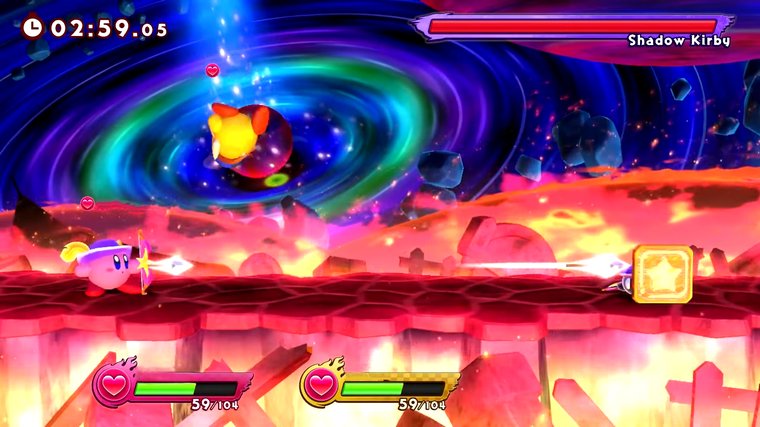



5 Best Kirby Games For Switch To Play In 2026 Kirby Fighters 2 In Space . See How Kirby And The Forgotten Land Is Getting Even Meteor Nintendo . 5 Best Kirby Games For Switch To Play In 2026 Best Kirby Game Switch . 10 Games Like It Takes Two Co Op Chaos In 2026 Kirby And The Forgotten Land Game . Evolution Of Kirby Games 1992 2022 YouTube
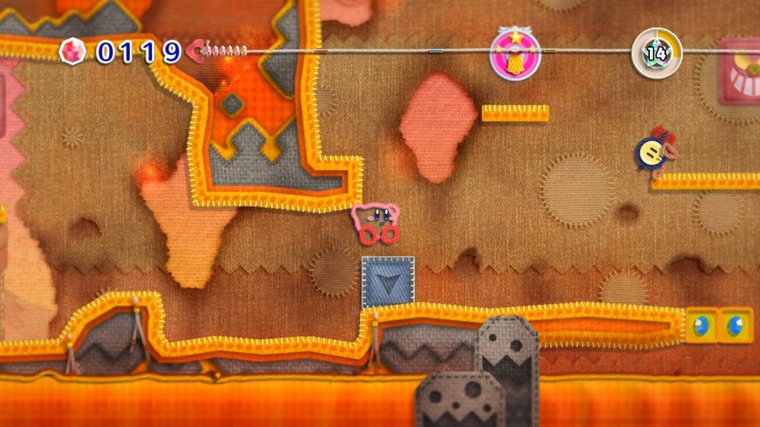


13 Best Kirby Games In 2026 Eneba Hub Kirbys Epic Yarn Jumping Up . Kirby Air Riders Announced At The Switch 2 Direct As Nintendo Throws In . Best Kirby Games 10 Of The Pink Puffball S Greatest Adventures Top 10 Best Kirby Games 656x369 . When Was The First Kirby Game At Robert Crain Blog . Fan Casting Chris Meledandri As Producer Of Kirby The Movie 2026 Flim Kirby The Movie 2026 Flim Fan Casting Poster 242645 Medium

Kirby The Movie 2026 Film Fan Casting On MyCast Kirby The Movie 2026 Film Fan Casting Poster 306959 Large . The 10 BEST Kirby Games Articles On WatchMojo Com VIDEO SHARE 62271 . The Complete List Of Kirby Games In Release Order Kirby Dreamland Deluxe . Featured Nintendo Switch 2 Games Nintendo Australia . Kirby Games Kirby Games For Switch 2025 Www Alhudapk Com Kirby Planet Robobot Game Case Mockup