As dedicated gamers balancing professional lives, family commitments, and the desire to stay immersed in the latest titles, the promise of "Cost Plus Gaming" can sound incredibly appealing. We all seek value for our hard-earned money, especially when upgrading gear or diving into new releases. This comprehensive guide cuts through the noise surrounding "is cost plus gaming legit" to provide clear, actionable insights. We will explore what this concept truly entails, examine its various manifestations in the gaming world, and equip you with the knowledge to identify genuine opportunities from potential pitfalls. With 87% of US gamers regularly engaging with their passion, often for 10+ hours a week, smart spending is paramount. This article aims to empower you to make informed decisions, ensuring your gaming budget is optimized for maximum fun and minimum stress, whether you are into mobile gaming, console experiences, or PC masterpieces. Discover if "Cost Plus Gaming" is your next smart move or a concept to approach with caution.
First Top 5 natural Questions about "is cost plus gaming legit": 1. Is Cost Plus Gaming a real or fake service? 2. What exactly is the "Cost Plus Gaming" model? 3. How does a Cost Plus Gaming deal work? 4. Is it safe to buy games or hardware through Cost Plus Gaming? 5. What are the signs of a legitimate Cost Plus Gaming offer? 7 Q&A in H2/P format:What exactly does 'Cost Plus Gaming' mean for players?
For many gamers, 'Cost Plus Gaming' refers to purchasing games, hardware, or subscriptions at prices purportedly very close to the retailer's or distributor's actual cost, plus a small, transparent markup or fee. This model aims to offer significant savings compared to standard retail prices, appealing especially to budget-conscious players juggling life's demands. It can appear in various forms, from subscription services promising wholesale access to discounted prices, to individual sellers claiming to pass on cost savings directly to the consumer. The core appeal is getting more gaming for less money, a critical factor for the average US gamer who spends around 10 hours a week playing and wants their entertainment budget to stretch further, allowing for more fun or better gear.
How can I verify if a 'Cost Plus Gaming' deal is truly legitimate?
Verifying a 'Cost Plus Gaming' deal requires careful research. First, check for extensive, positive, and independent user reviews on platforms like Trustpilot, Reddit, or gaming forums. Look for consistent feedback, not just a few glowing testimonials. Second, scrutinize the payment methods; legitimate services usually offer secure options like PayPal or major credit cards with buyer protection, rather than only cryptocurrency or direct bank transfers. Third, examine the transparency of their terms and conditions, including return policies and customer support availability. Cross-referencing prices with official retailers or reputable comparison sites can also reveal if the 'cost plus' claim is realistic or exaggerated, helping you avoid potential scams and ensure you are getting real value for money.
What are the common risks or downsides of using 'Cost Plus Gaming' services?
While the allure of savings is strong, 'Cost Plus Gaming' services come with several potential risks. The most significant is the possibility of encountering fraudulent sellers who take your money without delivering the product, or who provide invalid game keys or counterfeit hardware. Another downside is the lack of official warranty or customer support; if the product has issues, you might have no recourse beyond the original seller, who may disappear. There's also the risk of hidden fees that negate the perceived savings, or receiving region-locked games that won't work in your location. For busy gamers, these issues can lead to wasted time, money, and significant frustration, turning a hopeful deal into a major headache, especially if you're trying to quickly grab a trending title.
Is 'Cost Plus Gaming' legal, or does it operate in a grey area?
The legality of 'Cost Plus Gaming' is not a simple yes or no, as it largely depends on the specific practices of the seller and the nature of the products. If a seller is legitimately purchasing items wholesale and reselling them with a small markup, this is generally legal. However, some 'Cost Plus Gaming' models can stray into grey areas if they involve reselling game keys obtained through illicit means, such as stolen credit cards or region exploitation. Such activities are illegal and can lead to game keys being revoked, accounts being banned, and even potential legal repercussions for the buyer if they knowingly participate. Always ensure the source is transparent and reputable to avoid unknowingly supporting illegal activities, protecting your gaming account and personal data in the process.
Can 'Cost Plus Gaming' truly save me money on popular new releases and hardware?
While 'Cost Plus Gaming' holds the promise of significant savings, its ability to deliver on popular new releases and high-demand hardware is often limited and requires extreme caution. Major publishers and hardware manufacturers tightly control pricing and distribution for their latest products, making it highly unlikely that any legitimate seller can consistently offer brand-new AAA games or cutting-edge GPUs at just 'cost plus' a small margin right at launch. True savings are more often found on older titles, accessories, or less in-demand hardware. For current trends like new console drops or trending social games, if a deal seems exceptionally good, it's a major red flag for potential fraud. Smart gamers prioritize security over a deal that feels too good to be true.
What are the best alternatives to 'Cost Plus Gaming' for budget-conscious gamers?
For budget-conscious gamers, several safer and more reliable alternatives exist that offer genuine savings without the risks associated with unverified 'Cost Plus Gaming' schemes. Look into reputable digital storefronts during their seasonal sales (Steam, Epic Games Store, PlayStation Store, Xbox Marketplace). Consider subscription services like Xbox Game Pass or PlayStation Plus, which offer vast libraries for a monthly fee. Explore trustworthy key resellers that have strong community reputations, always cross-referencing prices and legitimacy. Physical copies often drop in price quickly, and pre-owned markets can be great for console games. Additionally, following official gaming news outlets and deal aggregator sites can alert you to legitimate promotions and bundles, ensuring you get great value while keeping your gaming safe and secure.
How do 'Cost Plus Gaming' trends relate to the broader US gaming market in 2026?
In 2026, the US gaming market is dynamic, with 87% of gamers regularly engaging, often for over 10 hours weekly. 'Cost Plus Gaming' trends reflect a deeper desire for value amidst rising game and hardware costs, especially for mobile, PC, and console cross-play users. As social gaming and esports viewing dominate, and gamers balance life with play, budget-friendly options are highly sought after. However, the rise of free-to-play models and subscription services like Game Pass offers legitimate ways to save, often overshadowing the niche and often risky 'cost plus' model. Gamers prioritize secure purchases and reliable performance, making established platforms generally more appealing than unverified 'cost plus' offers, especially when dealing with in-game purchases and hardware upgrades on a budget.
As a busy gamer juggling work, family, and a constant craving for epic adventures, finding a good deal on games and gear feels like a triumph. We all want to optimize our experience without breaking the bank. The phrase “Cost Plus Gaming” often pops up in these conversations, promising incredible savings by offering products at just a tiny markup over their actual cost. It sounds like a dream, right? But for the average US gamer, who spends significant time and money on their hobby, the immediate question is: is cost plus gaming legit? Or is it another internet rabbit hole leading to disappointment and lost cash? This guide is designed to help you navigate this often-confusing landscape, providing practical advice and real-world insights so you can game smarter, not harder.
We understand the pain points: wanting that new GPU but not the hefty price tag, or needing game recommendations that respect your limited playtime. With 87% of US gamers regularly playing and many dedicating 10 plus hours a week, maximizing value is key. This month, with social and cozy games trending alongside major AAA releases, finding legitimate ways to save without compromising quality or security is more important than ever. Let us break down what “Cost Plus Gaming” truly means and how you can approach it safely.
What Exactly Is 'Cost Plus Gaming' in the Current Market?
“Cost Plus Gaming” generally refers to a business model where products, typically games, hardware, or accessories, are sold to consumers at a price that is purportedly the seller's cost, plus a small, predetermined markup. This isn't a single company or platform but rather a concept that various entities might adopt. Think of it like a wholesale club for gamers. The promise is direct savings for you by cutting out traditional retail profit margins. It's an attractive proposition, especially for adults aged around 36 who are keen on value and avoiding unnecessary expenses, allowing them to stretch their budget across more games or better hardware.
This model can manifest in several ways: exclusive membership programs, direct-to-consumer sales from smaller distributors, or even individual sellers claiming access to special pricing. The appeal is clear: more gaming for less money. However, the exact definition and implementation can vary wildly, making it crucial for you to understand the specifics of any offer you encounter under this umbrella term.
How Do 'Cost Plus Gaming' Models Claim to Work?
The operational premise behind “Cost Plus Gaming” models is typically rooted in volume or exclusivity. Sellers might claim they purchase items in bulk directly from manufacturers or distributors at significantly reduced rates, then pass these savings on to the consumer with a minimal profit margin. Another approach involves a membership fee, where subscribers gain access to a catalog of products priced at “cost plus” a small handling fee. For example, a service might charge 10 dollars monthly and then offer games at 5 percent above wholesale. This strategy aims to appeal to the value-conscious gamer, especially those who make frequent purchases or are looking for high-ticket items like new consoles or graphics cards on a budget.
The concept hinges on transparency, where the 'cost' and the 'plus' (markup) are supposedly clear to the buyer. However, verifying the actual wholesale cost can be incredibly difficult for an average consumer. This is where the model requires a high degree of trust in the seller, which is often earned through proven track records and strong community reviews. As gamers continue to seek performance optimization and value for money, understanding these mechanisms is crucial to making smart choices.
What Are the Common Red Flags Associated with 'Cost Plus Gaming' Offers?
When an offer seems too good to be true, it often is. For
Cost Plus Gaming refers to models offering products at slight markups over cost. Legitimacy varies by platform and transparency. Research user reviews, terms, and payment security before engaging. Offers potential savings but also carries risks of scams if not properly vetted. Verify deals with official sources and watch for unusual payment requests.
35

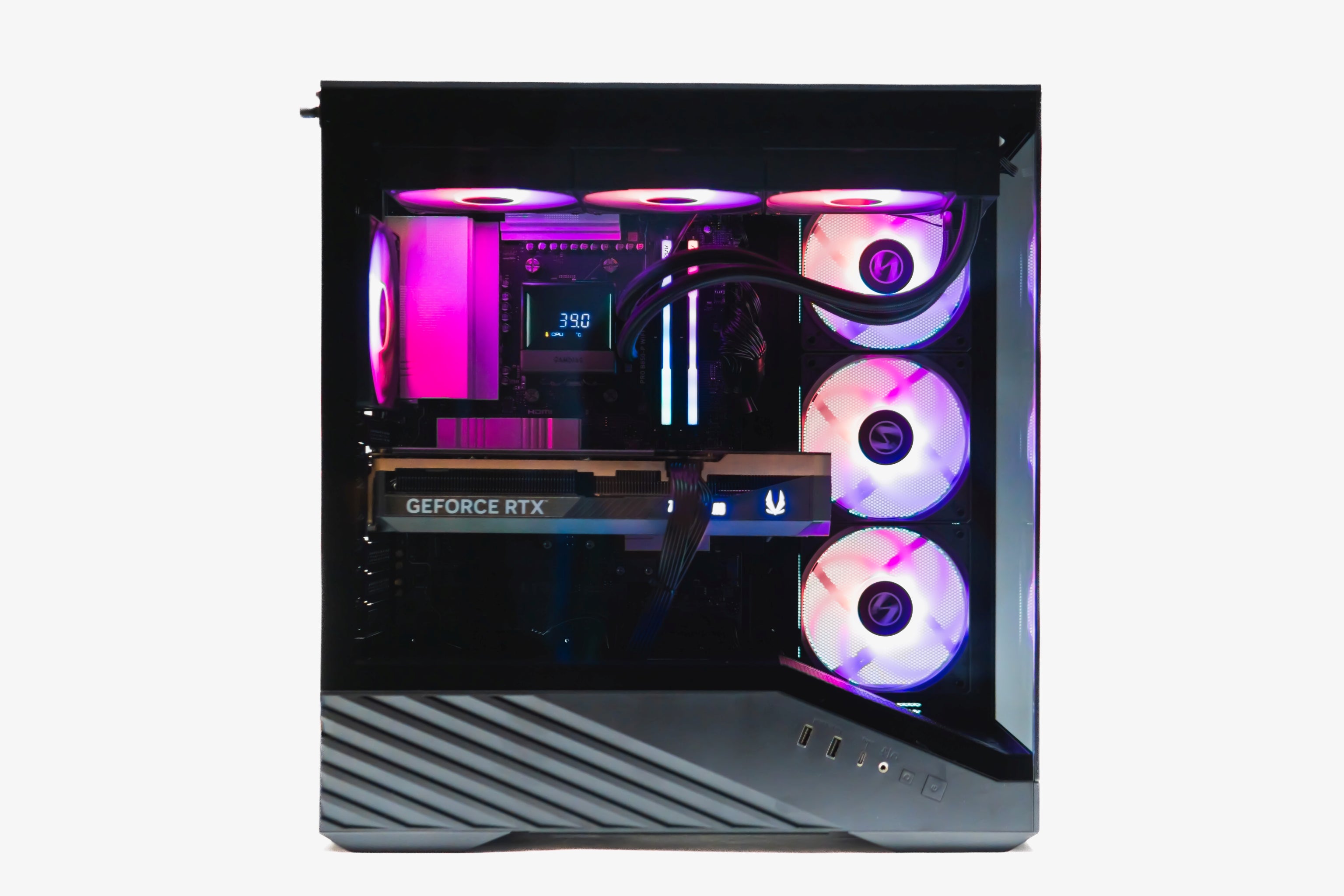

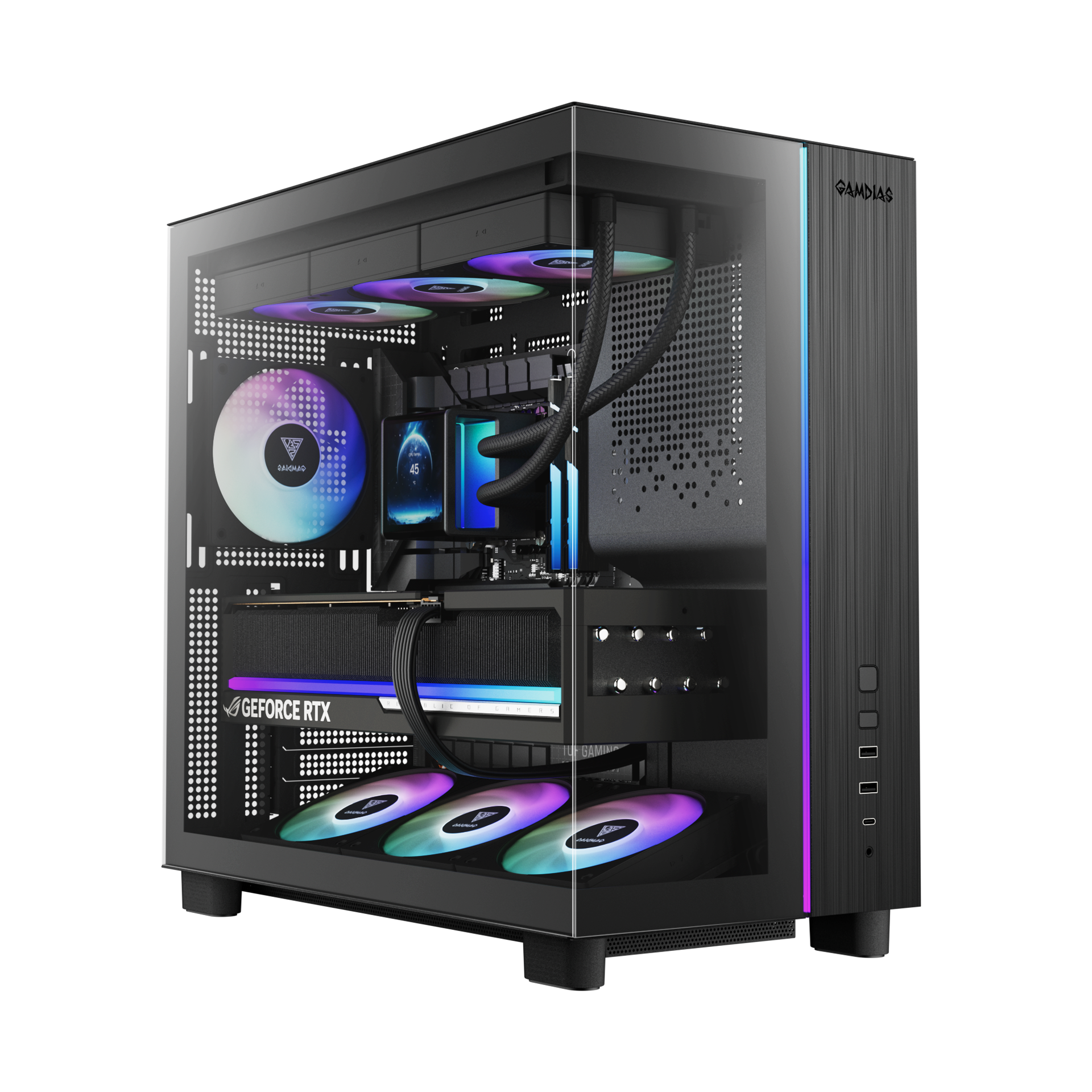
Cost Plus Gaming Starter Tier Gaming PC Review YouTube . Products Cost Plus Gaming Long Logo . A1 Enthusiast Cost Plus Gaming A1 SidePano Resize . Cost Plus Gaming Essentials Gaming PC Review YouTube . Products Cost Plus Gaming C1




Cost Plus Gaming S1 DSC02728 1 . Cost Plus Games Transparent Pricing On TCG Accessories In Australia CPG Social Share Image . Products Cost Plus Gaming CPG FRONT 5746cc59 Ac9d 4b26 B4cb . PlayStation Plus January 2026 Games Full Lineup And Details G2A News. Collections Cost Plus Gaming A1 Arctic 45Degree 1600x


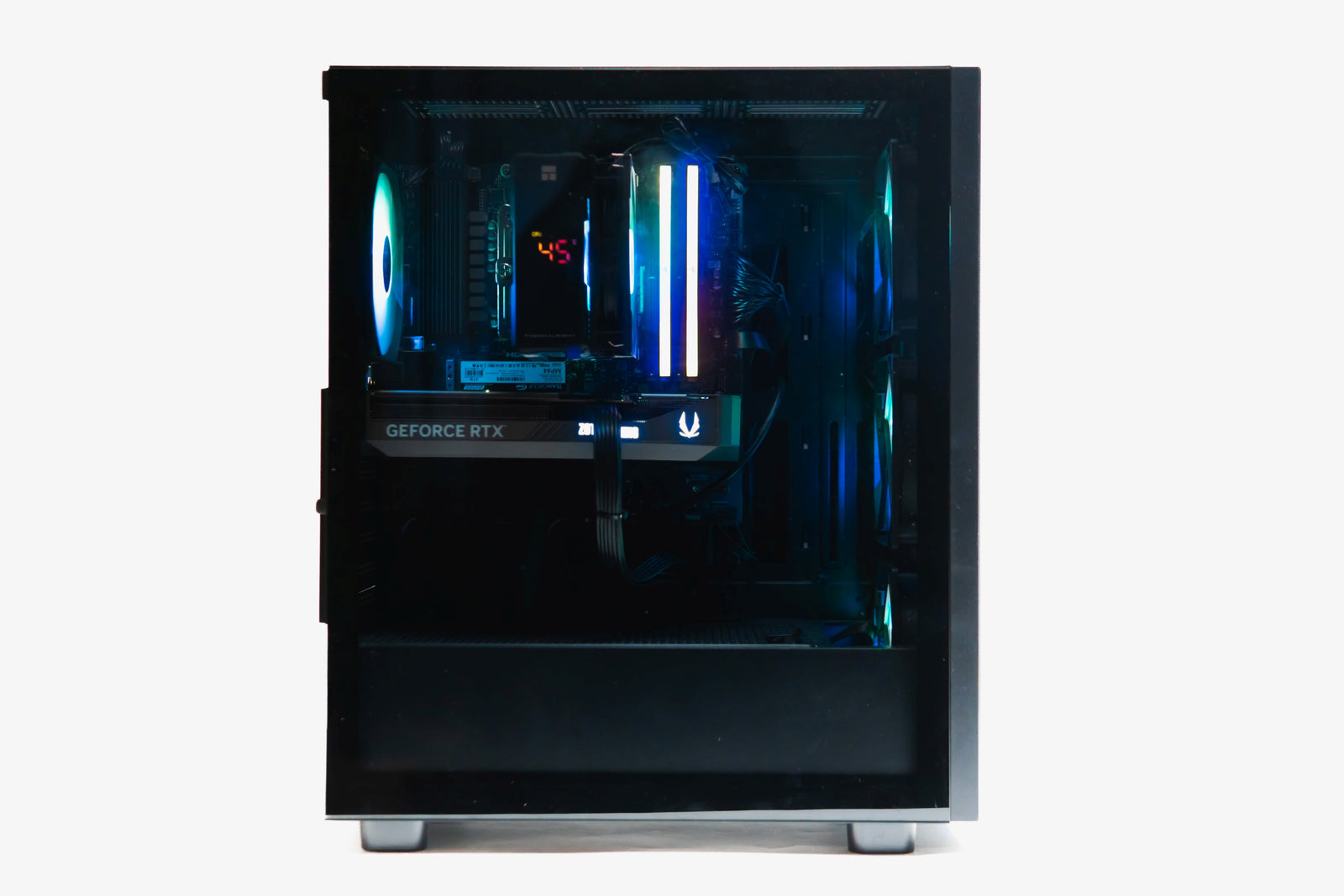

Products Cost Plus Gaming DSC09930 . Products Cost Plus Gaming DSC09087 5af6e2cf 8c25 49ae 9592 . Products Cost Plus Gaming DSC09856 . Cost Plus Gaming Prebuilt Gaming PCs Made Affordable DSC02819 1 1600x . Sony Unveils New PS Plus Monthly Games For February 2026 Playstation Plus Feb 2026.webp


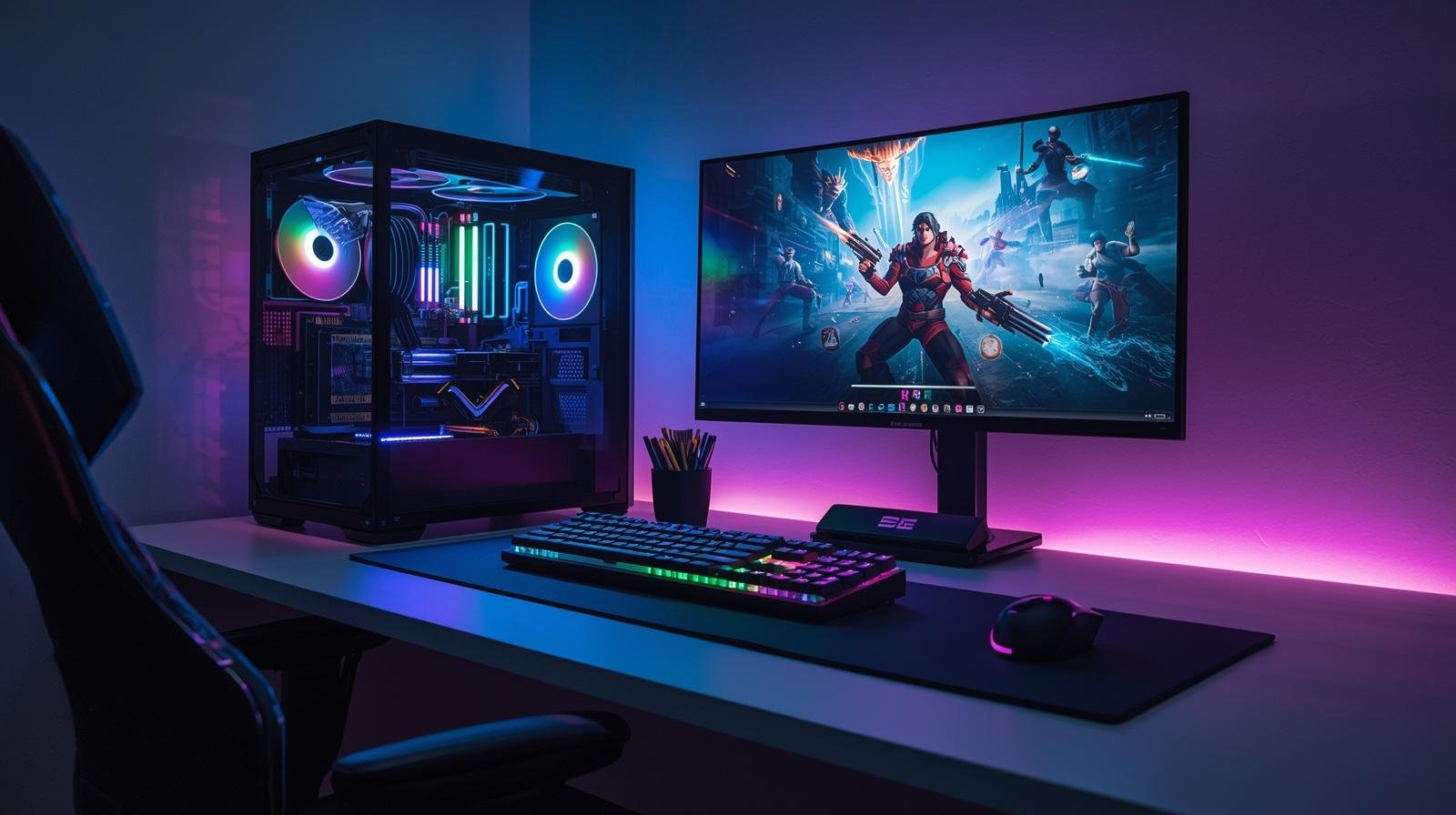

Cost Plus Gaming Prebuilt Gaming PCs Made Affordable Edited 615 . Products Cost Plus Gaming DSC09883 . How Much Does It Cost To Build A Gaming PC In 2026 Full Budget Guide Low Cost PC For Gaming . Are Gaming PCs Worth It In 2026 Cost Vs Performance Guide Are Gaming PCs Worth It . Multiplayer Game Development Cost In 2026 Real Numbers Hidden Costs Cs1.webp

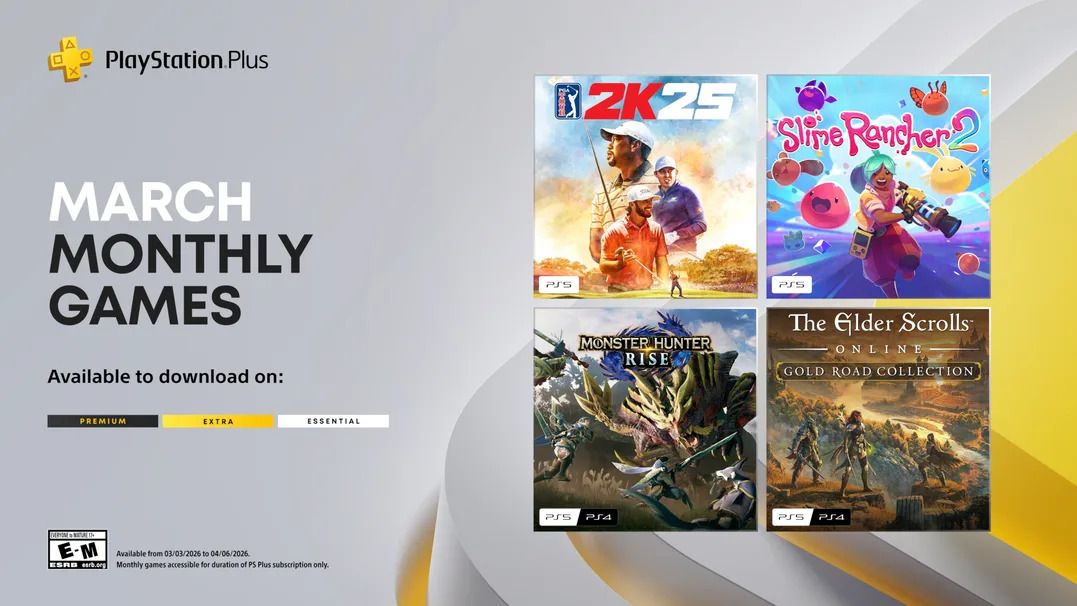
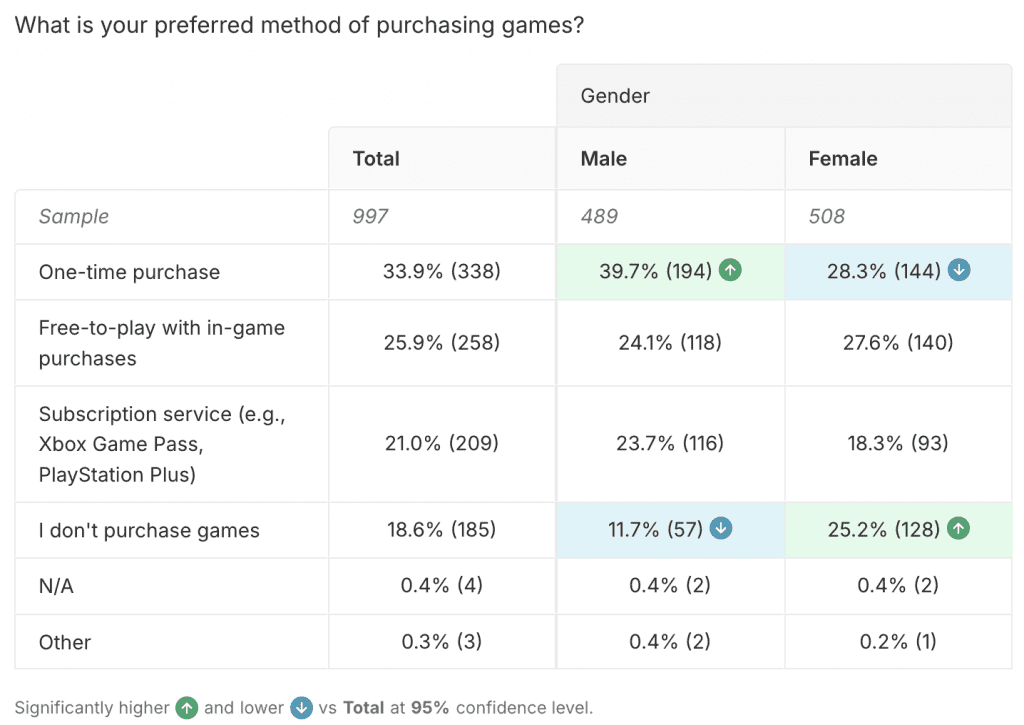

How To Build A Massive Game Library For Cheap Or 0 In 2026 Legit Guide . How Tariffs And Pricing Changes Shaped Console Gaming After 2025 How Tariffs And Pricing Changes Shaped Console Gaming After 2025 2048x1143 . PS Plus Subscribers Know More About The Extra And Premium Games For Ps Plus March Free Games . Gaming Consumer Insights What Players Want In 2026 Attest Screenshot 2025 05 22 At 15.57.48 1024x725 . The Best Cheap Gaming Laptops For 2026 Tested For Gaming Top 3 Gaming Laptops Of 2026 - The Ultimate Guide



Budget Gaming That Actually Works 2026 YouTube . Cost Plus Fixed Fee Contracts Guide 2026 . Playtime Vs Planet The Electricity Cost And Carbon Footprint Of Gaming Platforms With The Highest Anual Power Costs 2 . January 2026 PlayStation Plus Games Overview 100 Percent Sure Wins 1 79 . PlayStation Plus January 2026 Games Revealed By Sony PlayStation Plus January 2026 Games Revealed By Sony.webp




Cost Plus Gaming Prebuilt Gaming PCs Made Affordable 1 774da689 414f 4631 9242 Small . Cost Plus Gaming Prebuilt Gaming PCs Made Affordable DSC02825 1 1800x . Gaming Consumer Insights What Players Want In 2026 Attest Screenshot 2025 05 22 At 15.56.02 2048x1003 . Cost Plus Gaming Prebuilt Gaming PCs Made Affordable Edited 612 . S1 Mini Enthusiast Cost Plus Gaming DSC02719