Ever wondered if a custom liquid cooled PC is truly worth the investment for your gaming rig? This comprehensive guide dives deep into the world of bespoke water cooling systems. We explore the cutting-edge benefits, potential challenges, and essential components needed for an ultimate high-performance setup in 2026. Discover how these advanced cooling solutions can dramatically reduce temperatures, allowing for unprecedented overclocking stability and extending component lifespan. Learn about the latest pumps, radiators, and coolants, including bio-friendly and enhanced thermal efficiency options available. Whether you are a seasoned builder or a curious beginner, this resource offers invaluable insights and practical tips. Unlock the true potential of your gaming experience with quieter operation and superior thermal management. Understand the future of PC cooling and make informed decisions for your next-generation build.
custom liquid cooled pc FAQ 2026 - 50+ Most Asked Questions Answered (Tips, Trick, Guide, How to, Bugs, Builds, Endgame)
Welcome to the ultimate custom liquid cooled PC FAQ for 2026! This living guide is constantly updated with the latest information, tips, and tricks to help you build, maintain, and optimize your bespoke water-cooled system. Whether you are a beginner looking to understand the basics, an experienced builder troubleshooting a complex issue, or an enthusiast seeking cutting-edge insights, you've come to the right place. We cover everything from component selection and leak prevention to advanced thermal management and future trends. Get ready to elevate your PC building knowledge and achieve unparalleled performance and aesthetics for your gaming rig.
Beginner Questions
Is custom liquid cooling hard to install?
Custom liquid cooling can appear daunting due to numerous components and tubing runs. However, with careful planning and following guides, most enthusiasts can successfully install a system. It requires patience and attention to detail, but the process is highly rewarding. Starting with simpler loops can build confidence.
What is the benefit of custom liquid cooling over an AIO?
Custom liquid cooling offers superior thermal performance, greater aesthetic customization, and expandability. You can cool multiple components (CPU, GPU) in a single loop and replace individual parts. AIOs are convenient, but custom loops provide ultimate control and efficiency.
How often should I change my coolant?
It is generally recommended to flush and refill your custom loop coolant every 6 to 12 months. This practice prevents algae growth, sediment buildup, and maintains optimal thermal performance. Advanced 2026 coolants may offer longer lifespans, but regular checks are still essential.
Builds & Components
What radiator size do I need for my custom loop?
The ideal radiator size depends on your component's heat output and case compatibility. A general rule for a CPU + single GPU loop is at least one 360mm radiator or equivalent (e.g., two 240mm). More powerful hardware or multiple GPUs will require additional or larger radiators for effective heat dissipation.
Can I mix different metals in my liquid cooling loop?
No, you should strictly avoid mixing different metals like aluminum and copper in your loop. This can lead to galvanic corrosion, which degrades components and clogs your system. Always ensure all your water blocks, radiators, and fittings are made from compatible materials, typically copper, brass, and nickel-plated copper.
Myth vs Reality: Hard tubing is always better than soft tubing.
Myth: Hard tubing offers superior aesthetics and can achieve cleaner, more intricate runs. Reality: Soft tubing (like ZMT) is often easier to install, more forgiving for beginners, and offers comparable thermal performance. The 'better' choice depends on your preference for aesthetics versus ease of installation and maintenance.
Maintenance & Troubleshooting
How do I properly leak test my custom liquid cooling loop?
After assembly, use an air pressure leak tester to pressurize your loop and let it sit for 24 hours. If the pressure holds, add coolant. Power on only the pump for several hours, with paper towels placed strategically, before powering on the rest of your PC. This two-step process minimizes risks.
What causes gunk or residue in my coolant?
Gunk or residue in your coolant can be caused by using incompatible coolants, mixing different metals, or neglecting regular coolant changes. Certain opaque or pastel coolants are also more prone to separating or leaving residue over time. Proper maintenance and quality coolants prevent this issue.
Myth vs Reality: Liquid cooling is inherently louder than air cooling.
Myth: Many assume liquid cooling means noisy pumps. Reality: A well-designed custom liquid cooling system can be significantly quieter than high-end air coolers. Larger radiators allow fans to spin at lower RPMs, and quality pumps can operate very silently. It's about optimizing fan and pump speeds, not inherent noise.
Performance Optimization
How does loop order affect cooling performance?
Loop order has a negligible impact on overall cooling performance in a well-designed custom loop. The liquid circulates quickly, and the temperature equalizes throughout the system. Focus on an order that facilitates easier filling, draining, and aesthetically pleasing tube runs, rather than chasing specific performance gains from order.
Can liquid cooling improve my FPS in games?
Directly, liquid cooling doesn't boost FPS. Indirectly, it allows your CPU and GPU to run at lower temperatures, preventing thermal throttling. This enables sustained boost clocks and stable overclocking, which in turn ensures your hardware consistently delivers maximum performance, potentially preventing FPS drops and stuttering. It maximizes your existing hardware's potential.
Myth vs Reality: Custom loops require constant monitoring to prevent issues.
Myth: Some believe custom loops are high-maintenance daily checks. Reality: While initial setup and regular maintenance are important, a properly built and leak-tested loop is highly reliable. Modern components and coolants are robust, requiring only periodic checks (e.g., coolant level, clarity) and annual coolant changes, not constant vigilance.
Advanced Topics 2026
What are smart liquid cooling systems in 2026?
Smart liquid cooling systems in 2026 integrate AI-driven sensors and controllers. These systems can dynamically adjust pump and fan speeds based on real-time and predictive thermal loads, optimizing performance and noise. They often feature software integration for custom profiles and advanced data logging, offering truly intelligent thermal management.
Are biodegradable coolants a viable option for performance builds?
Yes, by 2026, several reputable manufacturers offer high-performance biodegradable coolants. These options provide excellent thermal transfer properties while being more environmentally friendly. They are a viable and increasingly popular choice for builders who prioritize sustainability without compromising cooling efficiency or safety for their components.
Myth vs Reality: Liquid cooling is only for extreme overclockers.
Myth: Many think liquid cooling is exclusive to pushing hardware limits. Reality: While ideal for overclocking, liquid cooling also benefits casual gamers and content creators. It provides quieter operation, extended component lifespan, and a stable, cool environment for any demanding task. Its aesthetic appeal also draws in many who simply want a stunning PC.
Endgame & Future Trends
What's the future of radiator technology in custom loops?
The future of radiator technology involves thinner fin designs for improved heat dissipation, more exotic materials for enhanced thermal conductivity, and integrated active flow control mechanisms. Expect to see radiators with embedded smart sensors providing more granular data. We might also see more compact, highly efficient designs for smaller form factor builds becoming commonplace.
Myth vs Reality: Building a custom loop voids your component warranties.
Myth: This is a common fear. Reality: Installing water blocks on your CPU or GPU typically does not void the warranty, especially for the CPU. For GPUs, many manufacturers (like EVGA and MSI) allow water block installation without voiding the warranty, provided no physical damage occurs during installation. Always check your specific manufacturer's policy. Removing the stock cooler and replacing it is generally accepted, as long as you can re-install it if you need to RMA the component.
Still have questions? Check out our guides on 'Beginner's Guide to PC Building 2026' or 'Overclocking Your GPU Safely'.
Are you asking yourself, 'Is a custom liquid cooled PC actually worth the hype in 2026?' You are not alone in wondering about the pinnacle of PC performance. Many gamers and enthusiasts often gaze at those stunning, tube-filled rigs and dream of their own. These bespoke systems promise unparalleled thermal management and breathtaking aesthetics for any gaming setup. Today, we are diving deep into this fascinating world, uncovering why these builds are more relevant than ever. Get ready to explore how a custom loop can transform your gaming experience and push your hardware limits.
In the rapidly evolving landscape of PC gaming, components like the latest RTX 7090 or AMD Radeon 8900XT run incredibly hot. Optimal cooling is no longer just a luxury; it is a necessity for peak performance. A custom liquid cooled PC provides significantly lower temperatures compared to traditional air coolers. This allows for higher, more stable overclocks, ensuring every frame per second (FPS) counts. Gamers playing demanding titles across genres like battle royale, RPG, and even competitive MOBA games benefit immensely. Imagine your system purring quietly while delivering maximum graphical fidelity and responsiveness. This is the promise of a custom liquid cooling solution. Its advanced thermal efficiency truly makes a difference in sustained high-load scenarios.
The Allure of Custom Liquid Cooling: Beyond Just Performance
Custom liquid cooling offers more than just raw thermal performance; it is an art form. The intricate network of tubes, reservoirs, and custom-colored coolants creates a visually stunning centerpiece for any gaming room. Builders now have unprecedented options for personalization, from RGB lighting integration to unique fluid dynamics. The satisfaction of crafting a unique system is a reward in itself for many enthusiasts. This level of customization simply cannot be matched by off-the-shelf air coolers or even all-in-one (AIO) liquid coolers.
Why 2026 is the Year for Custom Loops
By 2026, component power demands have escalated, making efficient heat dissipation critical. The current generation of CPUs and GPUs from Intel, AMD, and Nvidia push thermal envelopes further. Custom liquid cooling systems have also seen significant innovations in pump efficiency, radiator designs, and advanced coolants. We are seeing bio-luminescent fluids and coolants with enhanced nanofluid properties becoming mainstream. These advancements make custom loops more reliable and easier to maintain than ever before. New fittings and tubing materials have simplified the building process too, reducing leak risks significantly.
Essential Components for Your Dream Build
- CPU Water Block: This component transfers heat from your processor to the circulating liquid.
- GPU Water Block: Essential for cooling high-performance graphics cards, often a main heat source.
- Radiators: These dissipate heat from the liquid into the ambient air using fans.
- Pump/Reservoir Combo: The pump drives the coolant through the loop, while the reservoir holds excess fluid.
- Tubing and Fittings: Connects all components, available in various materials like PETG or ZMT.
- Coolant: Specialized fluid designed for thermal transfer, available in many colors and formulations.
Each component plays a vital role in maintaining optimal temperatures for your system. Selecting the right parts depends on your specific hardware, case size, and aesthetic preferences. Careful planning ensures a smooth and effective build process for your custom liquid cooling system.
Let's address some common questions people frequently ask about building these advanced setups. Many beginners feel overwhelmed by the initial complexity of custom liquid cooling. However, with the right guidance, anyone can achieve a stunning and high-performing system. Remember, patience and attention to detail are your best friends throughout this exciting journey.
Expert Q&A: Navigating the Liquid Cooling World
Okay, my fellow hardware adventurers, let's grab a virtual coffee and chat about some of the real head-scratchers people encounter. As your friendly senior colleague in this wild world of 2026 frontier models, I've seen these questions pop up countless times. Don't worry, we're going to break them down together.
Beginner / Core Concepts
This section covers the absolute basics, perfect if you're just dipping your toes into liquid cooling.
- Q: Is custom liquid cooling actually better than a high-end air cooler in 2026? A: Yes, it generally is, especially for high-performance builds and serious overclocking. I get why this confuses so many people because air coolers have gotten incredibly good, but custom liquid loops just have a much higher thermal capacity. They can move heat away from your components far more efficiently, allowing for lower sustained temperatures under heavy load. Think of it like a highway for heat; liquid just flows faster and carries more. Plus, you often get a much quieter system because the larger radiators mean fans don't have to spin as fast. You've got this, don't overthink it! Try to visualize the heat transfer.
- Q: How much does a custom liquid cooled PC typically cost to build in 2026? A: A custom liquid cooled PC can cost anywhere from $500 to $1500 (or more) just for the cooling components themselves, separate from your core PC parts. This one used to trip me up too; it's definitely a premium upgrade. The price largely depends on the complexity of your loop, the number of components you're cooling (CPU, GPU, RAM, motherboard), and your aesthetic choices like fancy RGB fittings or unique reservoirs. You're paying for superior thermal performance, quiet operation, and that undeniable visual flair. Don't cheap out on the pump, that's my golden rule!
- Q: What's the main benefit of going custom loop instead of an AIO (All-In-One) cooler? A: The primary benefit is vastly superior performance, greater customization, and expandability. I totally understand why AIOs are so popular – they're convenient! But a custom loop allows for larger radiators, more powerful pumps, and the ability to cool multiple components (like your CPU and GPU) within a single, integrated system. You can also tailor the aesthetics exactly to your liking, choosing specific tubing, coolant colors, and block designs. Plus, if one component fails, you can often replace just that part instead of the entire unit. It's like building a custom car versus buying one off the lot; more effort, but ultimate control.
- Q: How often do I need to maintain a custom liquid cooling loop? Is it a lot of work? A: You'll typically need to perform maintenance every 6 to 12 months, which usually involves flushing the old coolant and refilling with fresh fluid. It's not an impossible amount of work, but it does require some dedication, similar to changing the oil in your car. Regular maintenance prevents algae growth, sediment buildup, and ensures optimal thermal performance over time. Some advanced coolants in 2026 have longer lifespans, but checking your fluid clarity and levels is still a good practice. It's a small price to pay for peak performance and system longevity, trust me. You'll get into a rhythm!
Intermediate / Practical & Production
Now, let's dive into some more hands-on and practical aspects once you're comfortable with the basics.
- Q: What are the common mistakes people make when building their first custom loop? A: Oh boy, this is where I've seen many good intentions go slightly awry! Common mistakes include not leak testing properly, using incompatible materials that cause corrosion (galvanic corrosion is a silent killer!), and overlooking proper fluid preparation. People also often underestimate the importance of a good bleed procedure to get all the air out of the loop. Another big one is not planning their loop order effectively. While loop order has minimal impact on performance, a logical flow makes filling and draining much easier. Always, always, *always* leak test for at least 24 hours with an air pressure tester *before* introducing fluid.
- Q: What kind of coolant should I use, and are certain types better than others for performance or longevity in 2026? A: In 2026, you've got amazing choices, but stick with purpose-built PC coolants. Transparent coolants are generally safest for longevity and minimal maintenance; they're less likely to gunk up your blocks. Opaque or pastel coolants look fantastic but require more frequent changes and can sometimes leave residue, even with advanced 2026 formulations. Many new coolants contain improved anti-corrosive and anti-algal agents that extend their life significantly. Never use tap water or automotive coolant – those are absolute no-gos for your precious PC hardware! Distilled water with a good additive kit is a solid, cost-effective option too.
- Q: How do I ensure my custom loop is leak-proof and safe for my expensive components? A: Leak testing is your absolute best friend here, and don't skip it! After you've assembled everything and before adding any power to your PC, use a dedicated air pressure leak tester. Pump it up to the recommended PSI and let it sit for a full 24 hours to see if the pressure drops. If it holds, you're usually good to go with fluid. Once you add coolant, power on your pump *only* (disconnect all other components' power) and let it run for several hours, with paper towels strategically placed to catch any drips. This two-stage approach minimizes risk considerably. Patience is paramount here; rushing leads to disaster, trust me.
- Q: Can I really cool both my CPU and GPU effectively in a single loop? What about multiple GPUs? A: Absolutely, cooling both your CPU and a single GPU in one loop is standard practice and highly effective! Modern components, even in 2026, benefit immensely from this shared cooling. When it comes to multiple GPUs, it's certainly possible, but it significantly increases the complexity, cost, and radiator space needed. You'd likely need additional radiators and a more powerful pump to handle the increased heat load. For most users, a single CPU + single GPU loop strikes the perfect balance of performance, aesthetics, and manageability. For dual GPUs, consider a beefier setup, perhaps with two 360mm radiators.
- Q: What kind of fans should I pair with my radiators for optimal cooling performance? A: You'll want static pressure optimized fans, not airflow optimized ones. This is a subtle but crucial distinction! Radiators create resistance, and static pressure fans are designed to push air effectively through those fins. Look for fans with high static pressure ratings (measured in mmH2O) and good RPM control for quiet operation. Brands like Noctua, Arctic, and Be Quiet are consistently top performers. Consider fan thickness too; thicker fans (like 38mm) can often move more air at lower, quieter RPMs. Don't forget proper fan orientation for intake or exhaust depending on your case and desired airflow.
- Q: How does pump speed affect cooling performance and noise levels? A: Pump speed has a direct impact on both cooling performance and noise. A higher pump speed generally means more flow rate, which can lead to slightly better thermal transfer, but it also increases pump noise. Conversely, running the pump too slow might reduce noise but could starve your components of adequate coolant flow, hurting performance. The sweet spot is usually around 50-70% of maximum speed for most D5 or DDC pumps. Experiment with your specific setup to find the balance where you get great temperatures without an annoying hum. Most modern pumps offer PWM control for fine-tuning via your motherboard or a dedicated controller.
Advanced / Research & Frontier 2026
Time to flex those brain muscles and look at the cutting edge and future trends!
- Q: Are there any significant advancements in liquid cooling technology expected by late 2026 or 2027? A: Definitely! By late 2026 and into 2027, we're seeing more widespread adoption of microfluidic channels in CPU/GPU blocks for even more precise heat transfer. Expect integrated smart sensors becoming standard, providing real-time flow rate and coolant temperature data directly to your OS for dynamic pump/fan control. Phase-change cooling for consumer systems is also being refined for extreme overclocking, though it’s still niche. Furthermore, more environmentally friendly and biodegradable coolants are entering the market, reducing the ecological footprint of our powerful rigs. Think active backplates for GPUs and even memory and NVMe SSD water blocks becoming standard.
- Q: How will AI integration impact custom liquid cooling systems in the near future? A: AI is set to revolutionize liquid cooling by enabling predictive thermal management. Imagine a system that learns your usage patterns and dynamically adjusts pump and fan speeds not just based on current temps, but on *predicted* thermal loads for your gaming session. AI algorithms will optimize flow rates for specific games or workloads, anticipating spikes and preventing them before they happen. We’re talking about truly 'set it and forget it' intelligent cooling, where the system adapts seamlessly. Frontier models like O1-Pro are already demonstrating capabilities for real-time system optimization, and integrating that with cooling control is the next logical step.
- Q: What's the deal with exotic coolants, like those with suspended nanoparticles, and are they safe/effective? A: Exotic coolants, particularly those with suspended nanoparticles (often called nanofluids), are designed to enhance thermal conductivity beyond traditional fluids. They promise even better heat transfer. However, I’d still exercise a bit of caution, especially with the 'ultra-performance' claims. While research shows promising results in labs, their long-term stability and potential for residue buildup in consumer loops are still being rigorously tested. Always prioritize coolants from reputable brands known for their anti-corrosive and anti-algal properties. The risk of clogging fine microchannels in water blocks still needs careful consideration. Stick with proven formulas for now, unless you're a true pioneer with a spare set of blocks!
- Q: How can I integrate advanced monitoring and control into my custom liquid cooled PC? A: This is where you really level up! Beyond basic motherboard fan headers, look into dedicated fan and pump controllers (like Aquacomputer Aquaero or Corsair Commander Pro) that offer granular control and extensive sensor inputs. Pair these with fluid temperature sensors (critical for liquid loops) and flow rate meters to get a complete picture. Software suites then allow you to create complex fan curves and pump profiles based on actual liquid temperatures, not just CPU/GPU temps. For true advanced users, integrating these data streams into custom dashboards or even home automation systems via APIs is becoming feasible with 2026 tech. It's about data-driven cooling!
- Q: What are the considerations for building a custom loop in a small form factor (SFF) PC? A: Building an SFF liquid cooled PC is a masterclass in compromise and careful planning. Space is your ultimate enemy, so every millimeter counts. You'll need smaller radiators (often 240mm or 120mm), specialized SFF-friendly pumps/reservoirs, and very precise tube bending or ZMT soft tubing. Component selection is critical; ensure your GPU block will fit your case's dimensions. Airflow management inside a confined space is even more important, so fan choice is paramount. It's incredibly rewarding when you pull it off, but definitely start with extensive research and precise measurements. It’s like solving a 3D puzzle under pressure; incredibly satisfying when it clicks.
Quick 2026 Human-Friendly Cheat-Sheet for This Topic
- Always perform a comprehensive leak test with an air pressure tester before adding fluid. Seriously, don't skip this!
- Invest in a quality pump and reliable fittings; they're the heart and veins of your cooling system.
- Use purpose-built PC coolants; never use tap water or automotive fluids.
- Plan your loop order for aesthetics and easy maintenance, even if it doesn't affect performance much.
- Clean your radiators and water blocks during your 6-12 month maintenance cycle.
- Don't be afraid to experiment with pump and fan speeds to find your optimal balance of noise and cooling.
- Consider a dedicated fan/pump controller for superior monitoring and fine-tuned control of your system.
Superior cooling performance for overclocking, quieter operation than air cooling, enhanced system aesthetics with custom loops, extended component lifespan due to lower temperatures, advanced thermal management capabilities, potential for higher FPS and stable gaming, diverse component selection for personalized builds.
35


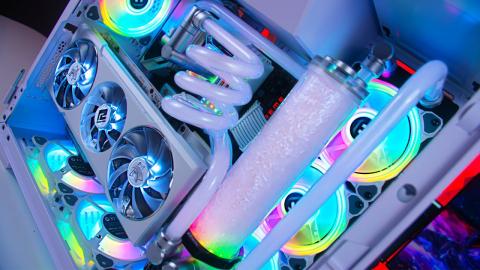
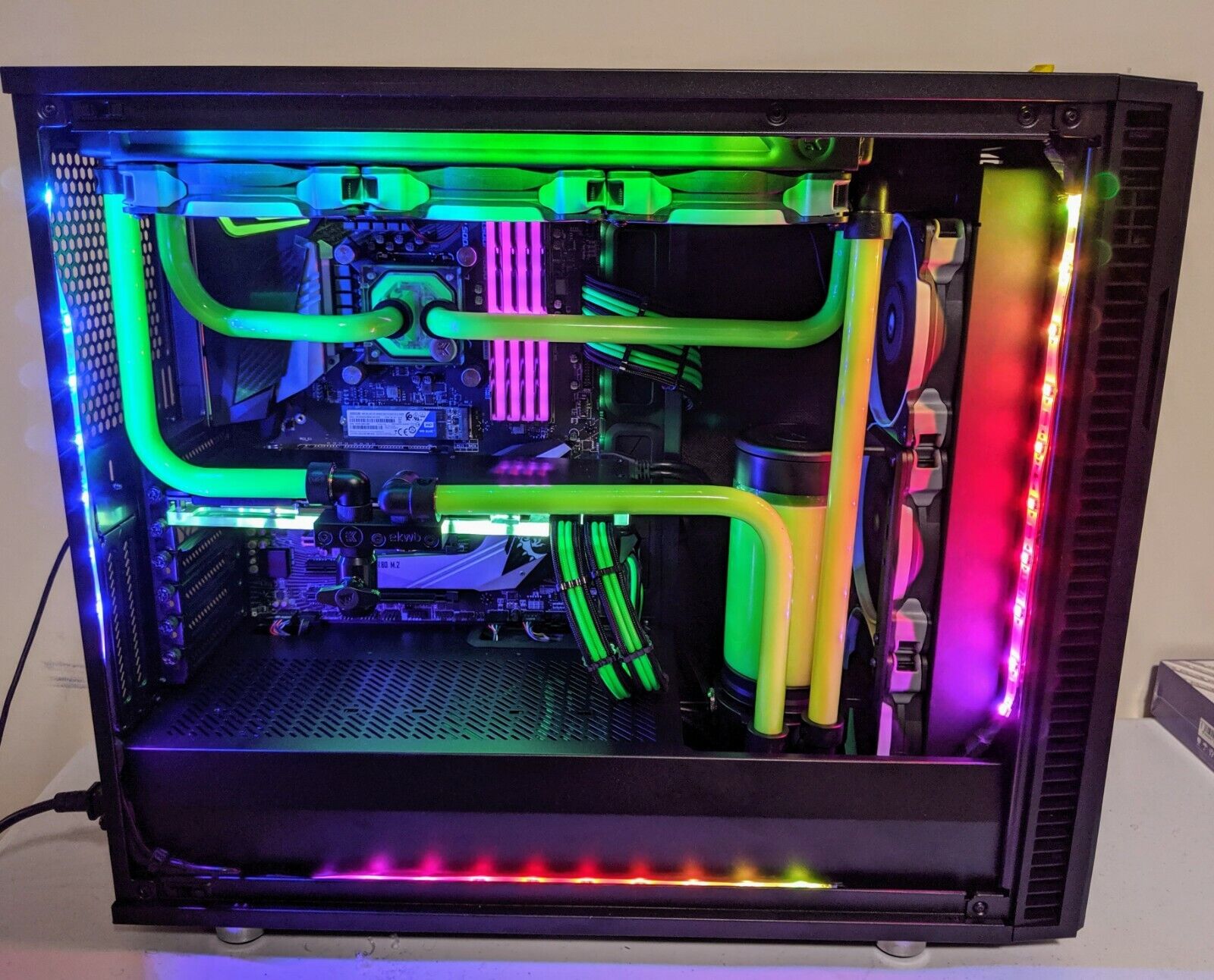
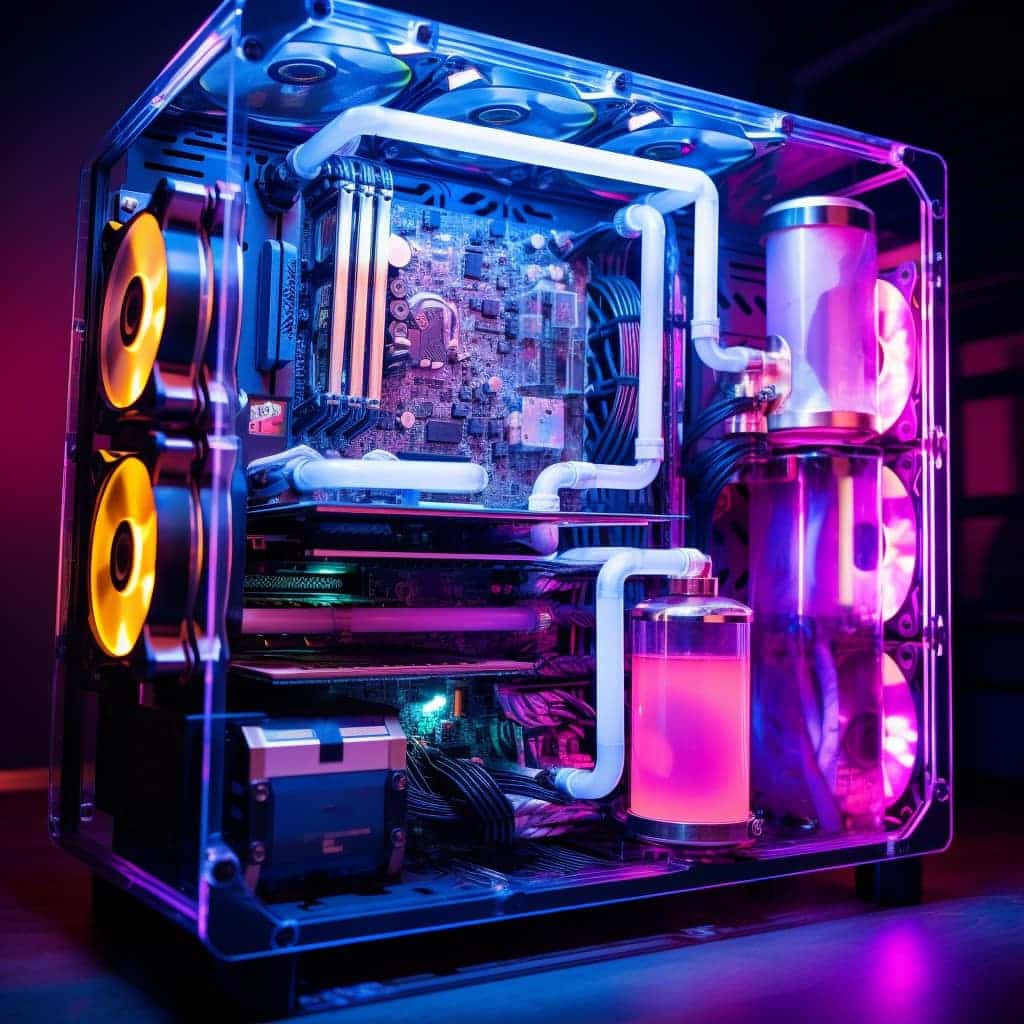
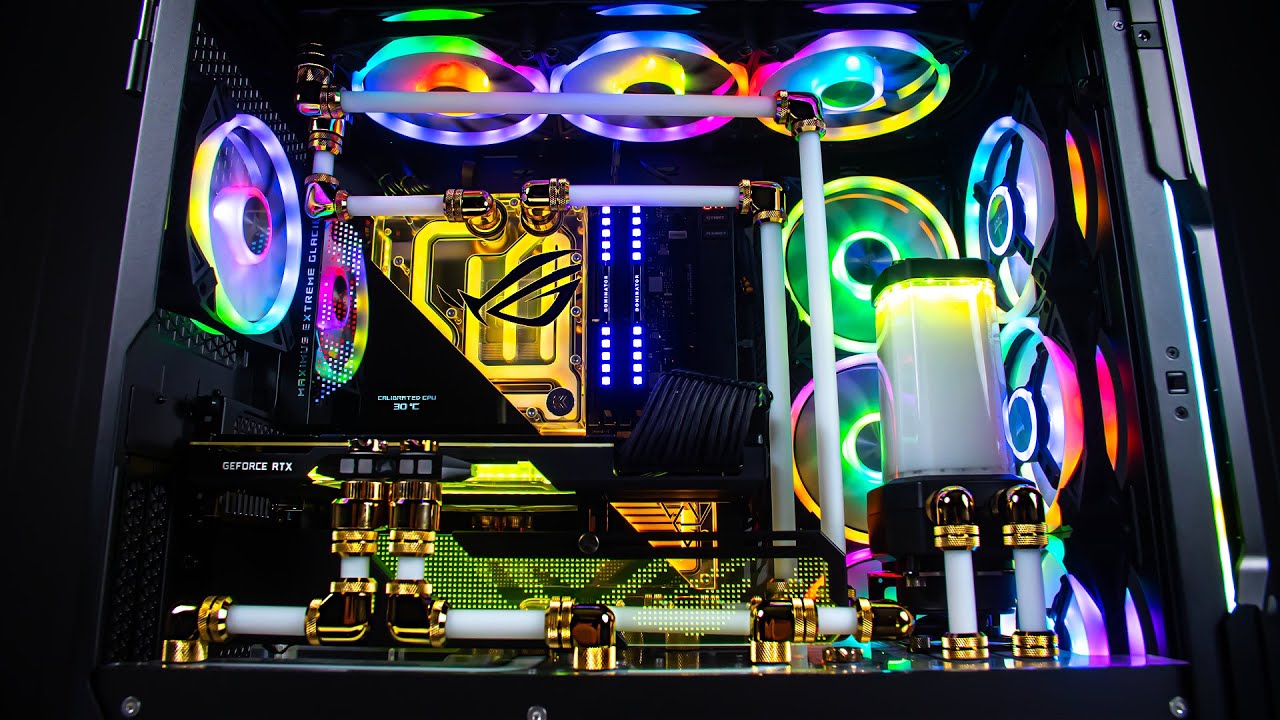
Custom Water Cooling Ryzen 7950x And Nvidia Rtx 4090 Custom Water Cooled Pc With Ekwb Custom Loop Create Pcs 54 . Gaze Into The Reflection Of This Stunning Water Cooled PC Build . Custom Liquid Cooling Loop With Colored Coolant And Transparent Tubing Custom Liquid Cooling Loop With Colored Coolant Transparent Tubing Highend Gaming Pc 1314467 101692 . How To Build A Liquid Cooled Gaming PC Air 740 17 1680x1100 . Custom Hardline Liquid Cooled Gaming PC Micro Center Build F893f8b2 7dfb 4451 B165


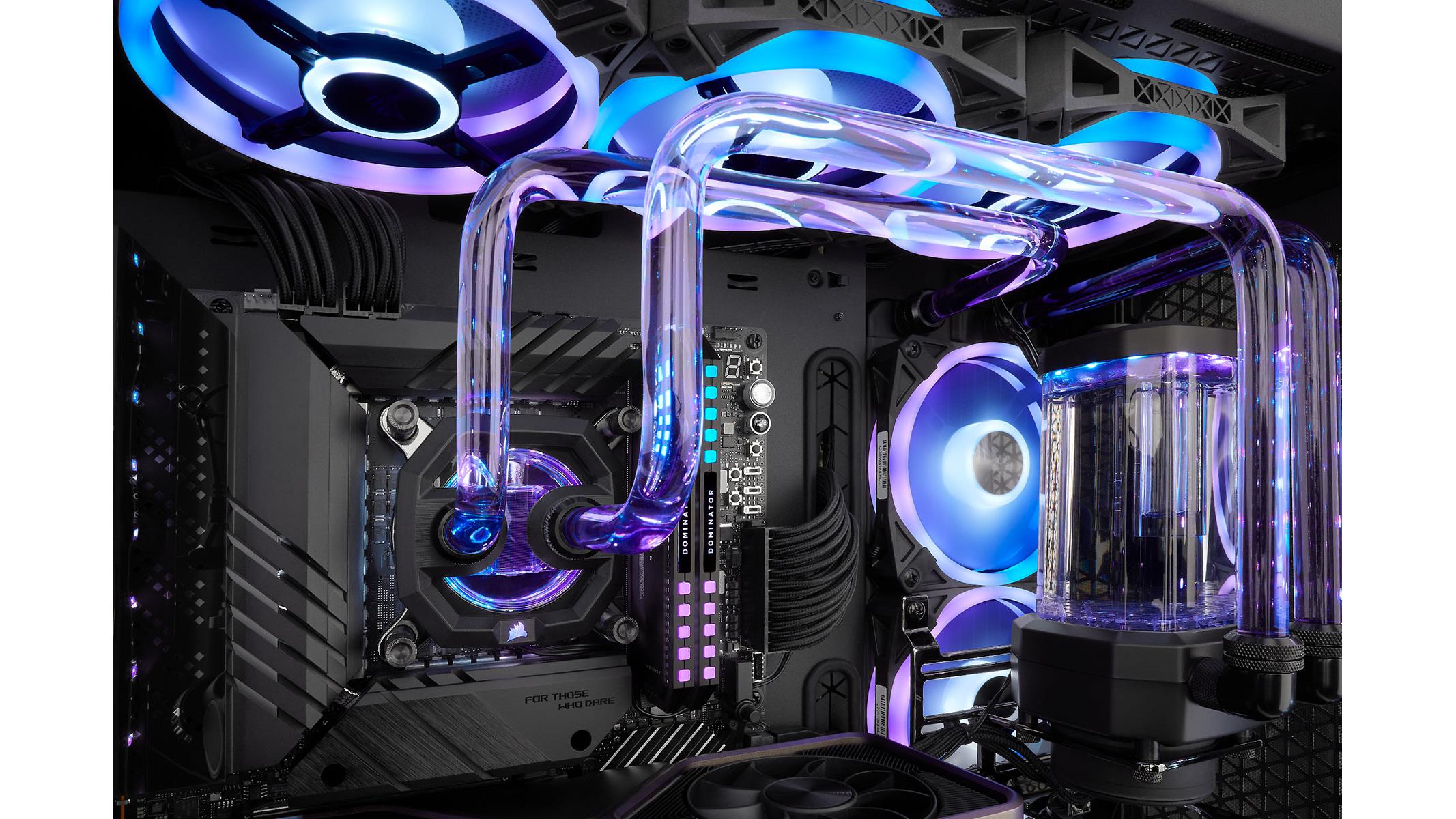
Custom Liquid Cooling Loop With Colored Coolant And Transparent Tubing Custom Liquid Cooling Loop With Colored Coolant Transparent Tubing Highend Gaming Pc 1314467 100317 . 5700 Custom Water Cooled Gaming PC Build In View 91 Case . ULTIMATE 10000 Water Cooled Workstation PC Build 2080 Ti I9 . CLEAN Custom Water Cooled ITX Gaming PC Build SC Wraith ITX 4eb2629c3 1 . Section P8 Intel 13th Gen CPU Z790 DDR4 5 RTX 4090 Extreme Custom Open 16x9 2133x1200 Highres Corsair Hardline Cooling News

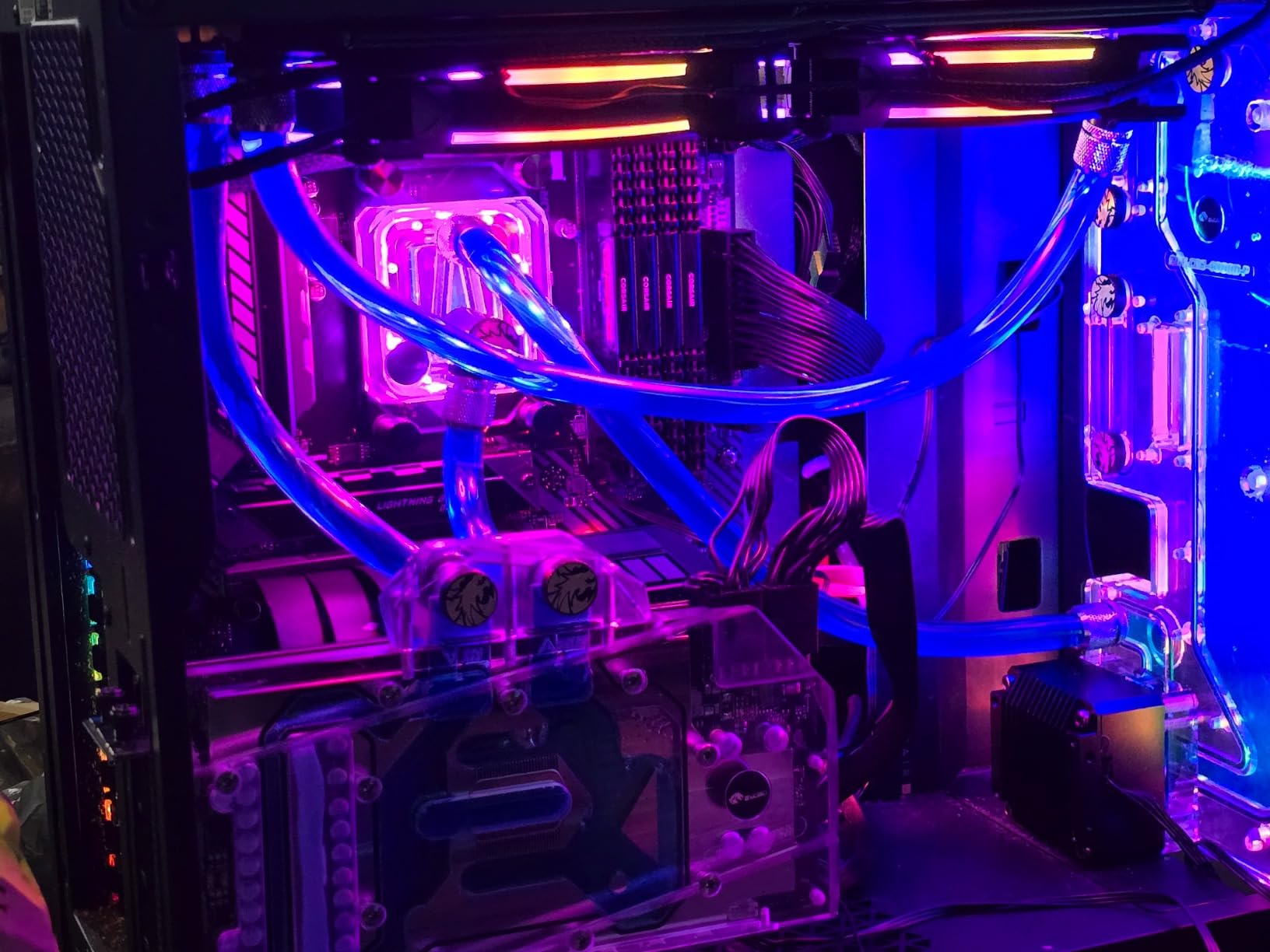
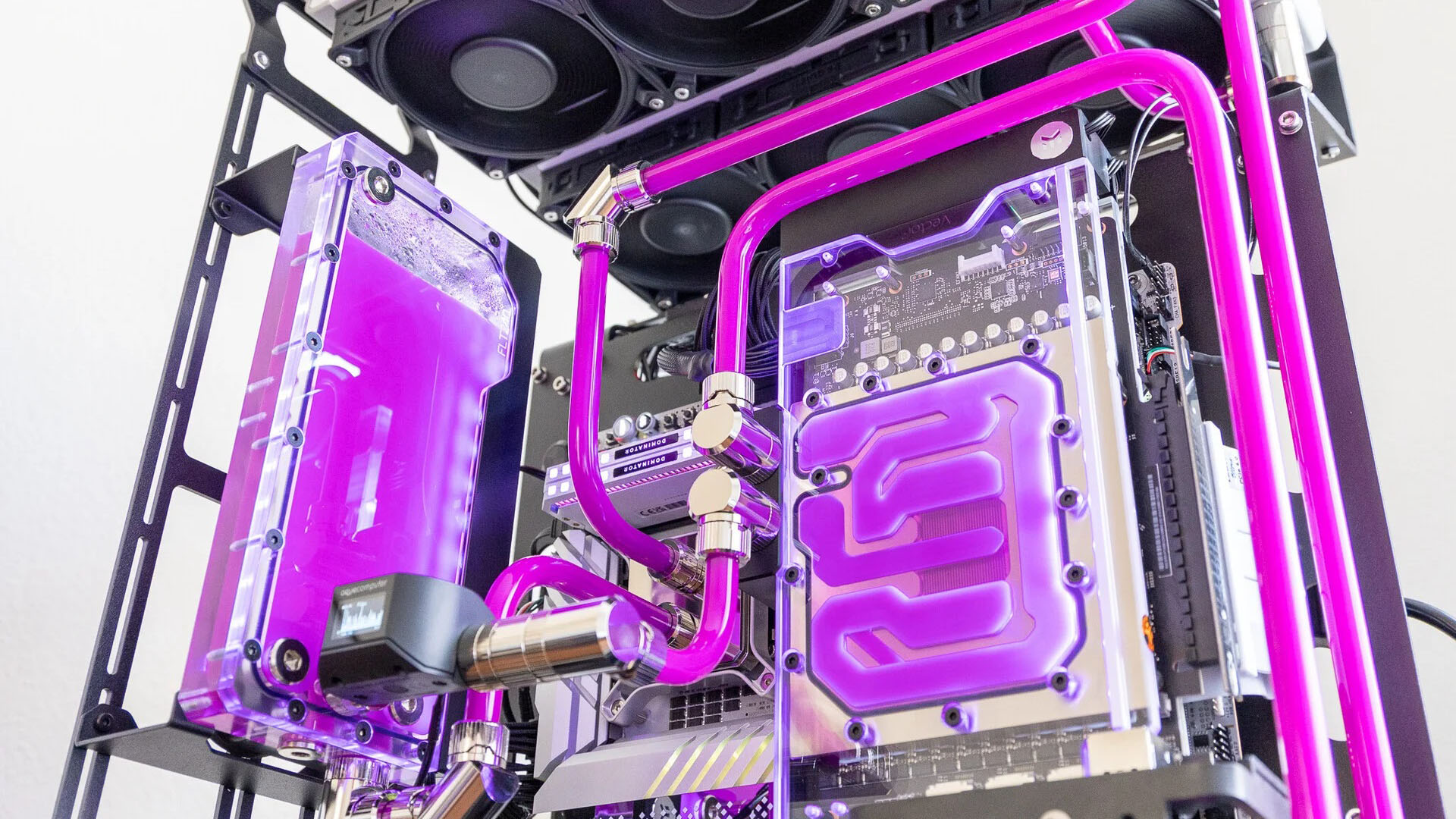
12 Best Water Cooling Fittings For Custom PC Loops March 2026 Guide Best Water Cooling Fittings For Custom PC Loops . 8 Best Leak Testing Equipment For Custom PC Water Cooling Loops March Best Leak Testing Equipment For Custom PC Water Cooling Loops . 12 Best Water Cooling Fittings For Custom PC Loops March 2026 Guide B09GLNRQ9Q Customer 1 . Custom Hardline Liquid Cooled Gaming PC I9 9900k 5 20GHz RTX 2080 S L1600 . Best Liquid Cooling System For Gaming Pc 2017 Flex7

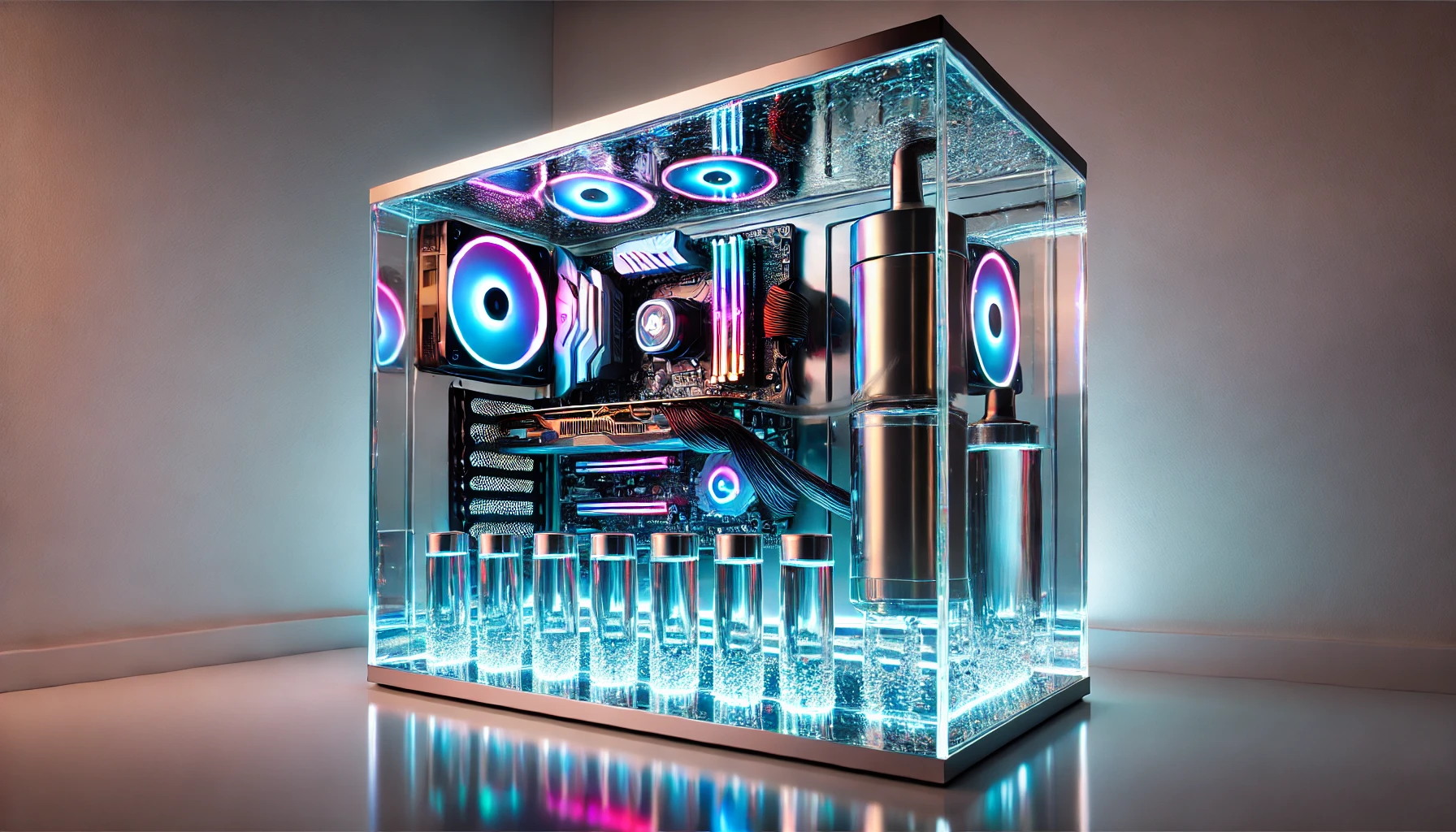


ULTIMATE Custom Water Cooled Desk Gaming PC Build Gaming Pc Build . Mineral Oil PC Case A Approach To PC Cooling 2026 DALL.E 2024 11 23 15.02.23 A Widescreen Visually Striking Image Of A Custom Built PC Submerged In Clear Mineral Oil Inside A Sleek Acrylic Tank. The PC Components Like The Moth.webp. Water Cooled Custom Gaming PCs Built By Experts MK Rigs MK Rigs Water Cooled PC Gallery 2 . Custom Watercooled PC Build With Focus On The Reservoir Pump And Custom Watercooled Pc Build With Focus Reservoir Pump Cooling Block 1314467 95925 . Water Cooled PCs Custom Liquid Cooled PCs Open Loops PC106106 Edit 1024x1024
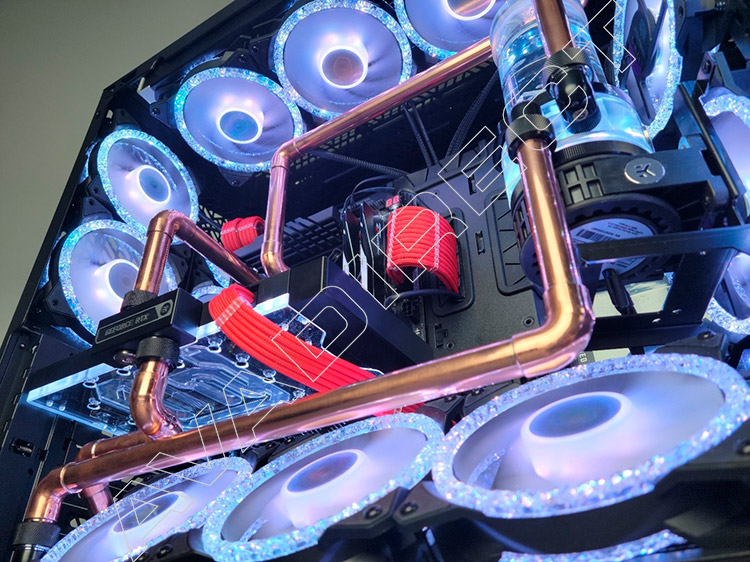

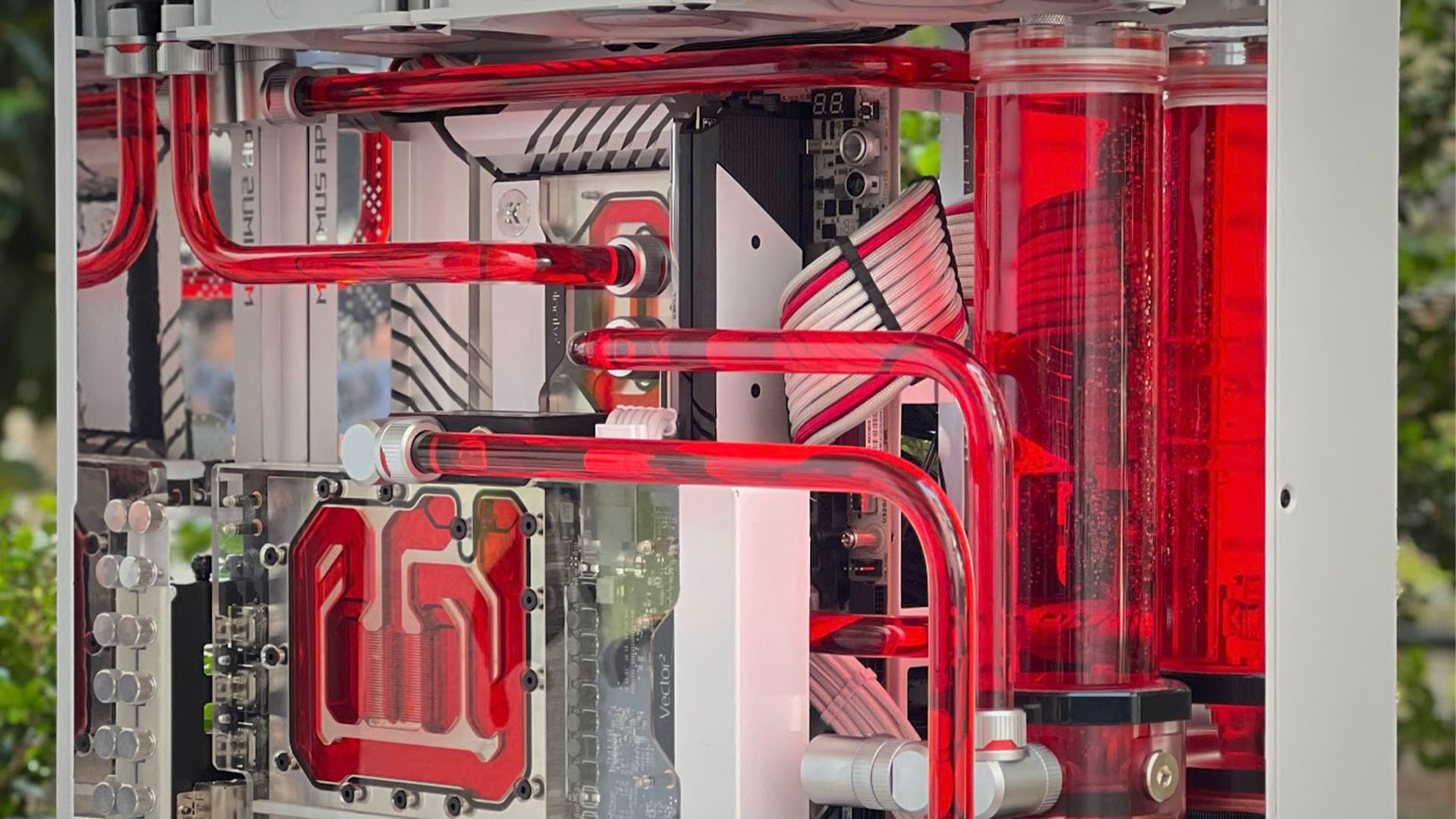

Building A Water Cooled Gaming PC With Copper Tubing AVADirect 3 3 . Water Cooling Pc Fail At Paul Nichols Blog Francis A Guide On Systems Featuring 70d343d5 2fd5 4e94 A121 . What You Need To Build A Custom Water Cooling Loop For Your PC . Best PC Builds Mods Gaming Setups And Game Rooms Custom PC Napoleon1 . Custom Pc Build 146 HYTE A Small And Simple Custom Water Cooled Pc

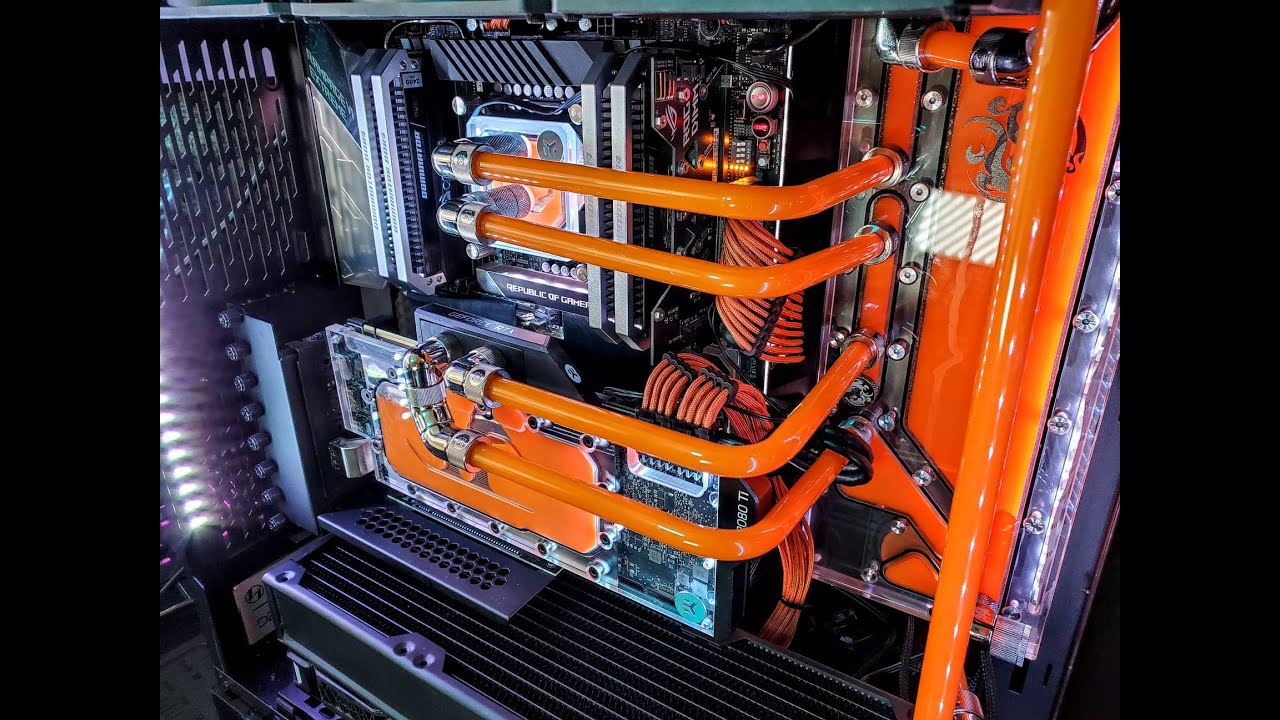
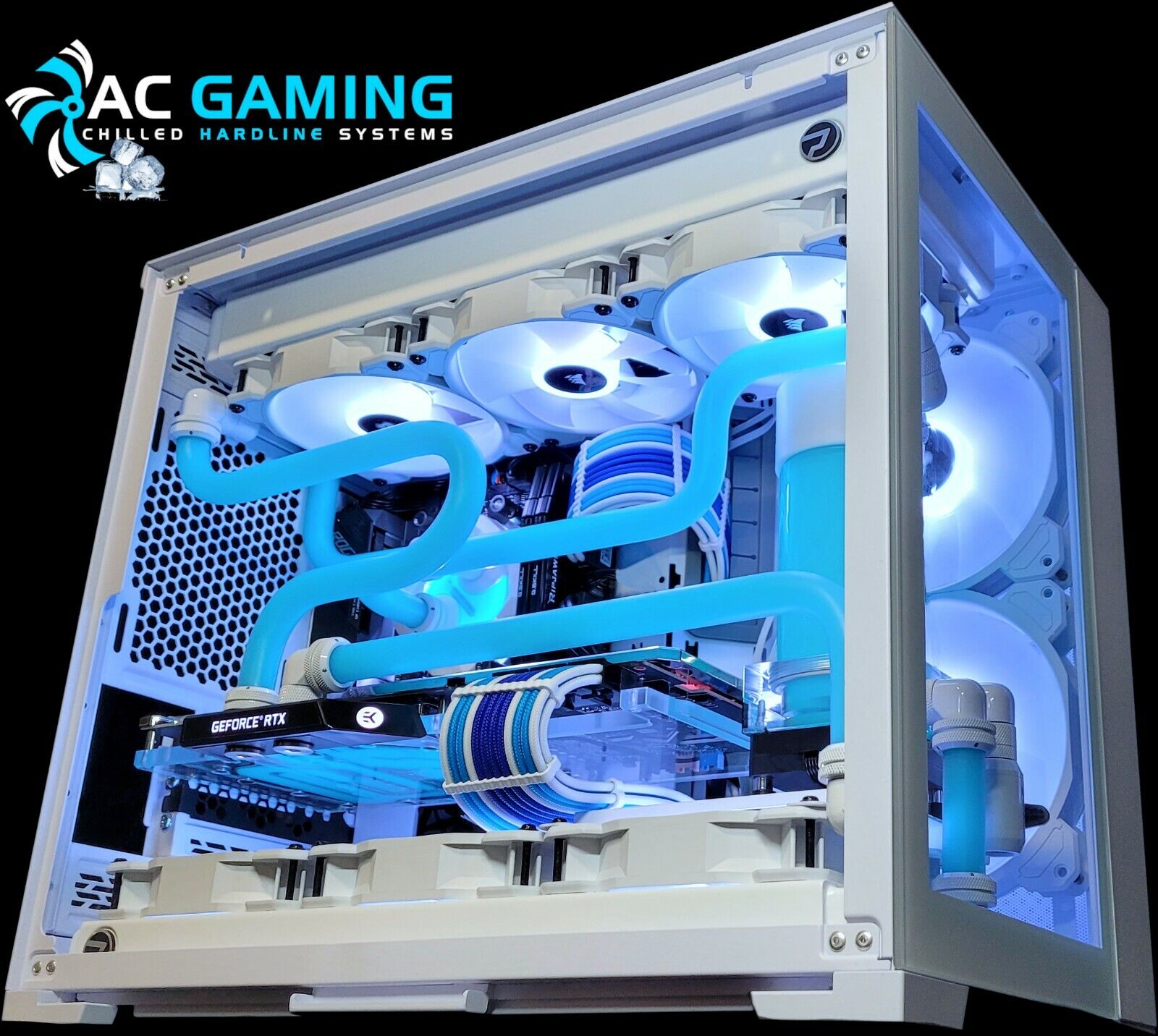
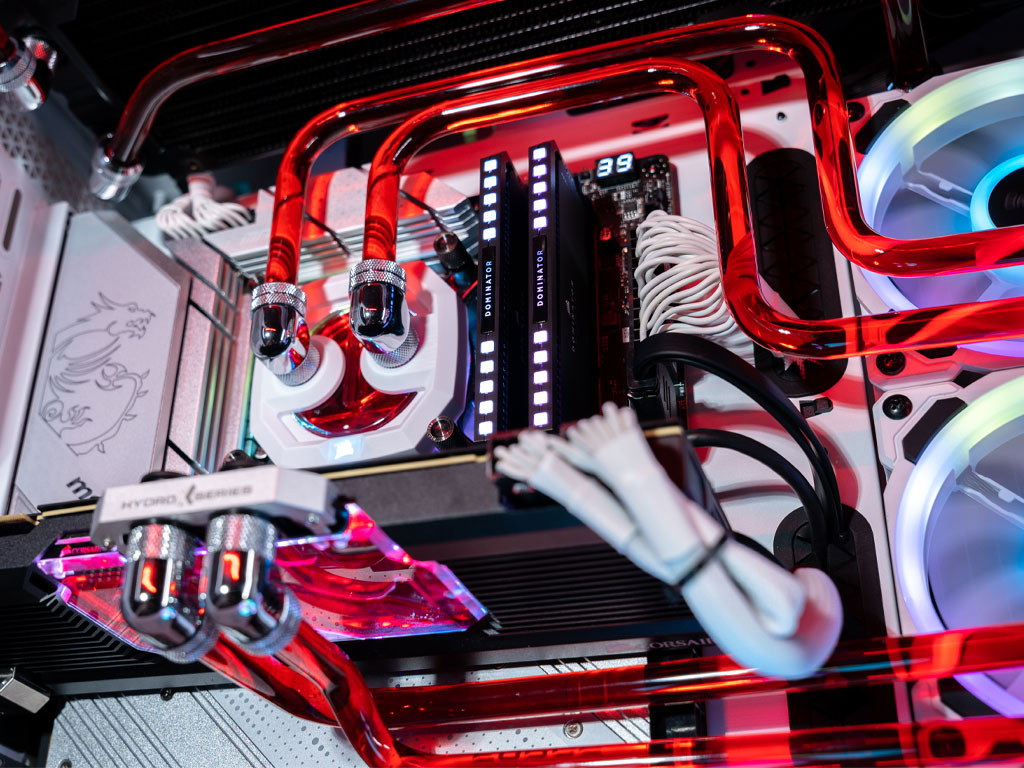
INSANE CUSTOM WATER COOLED PC BUILD Lian Li Lancool Time Lapse YouTube . Supersized Custom Water Cooled Gaming PC Build Lian Li O11 Dynamic XL . Custom Hardline Liquid Cooled Gaming PC Ryzen 9 5900x RTX 3080 S L1600 . 7000 ULTIMATE Custom Water Cooled Gaming PC Build YouTube . Water Cooled Vs Liquid Cooled Gaming PC PC News Genesis Extreme Cooling
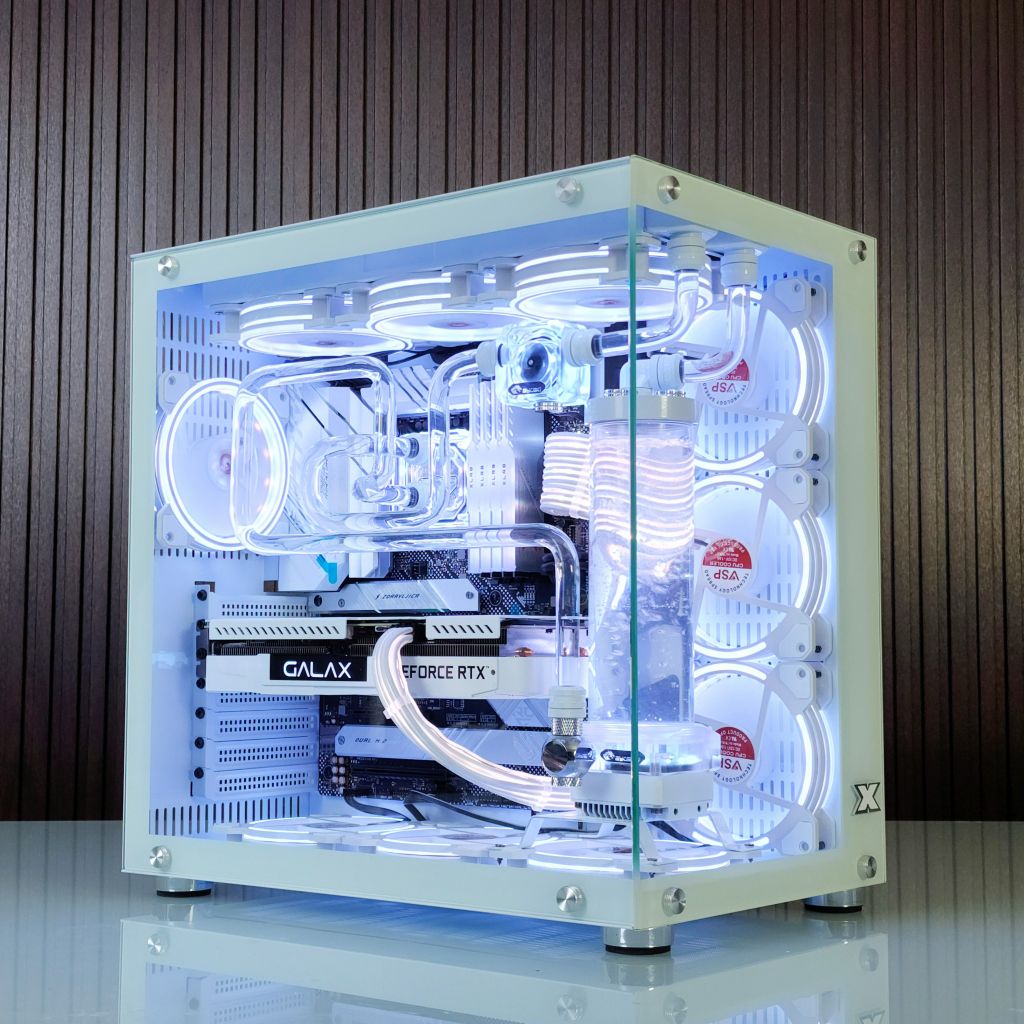
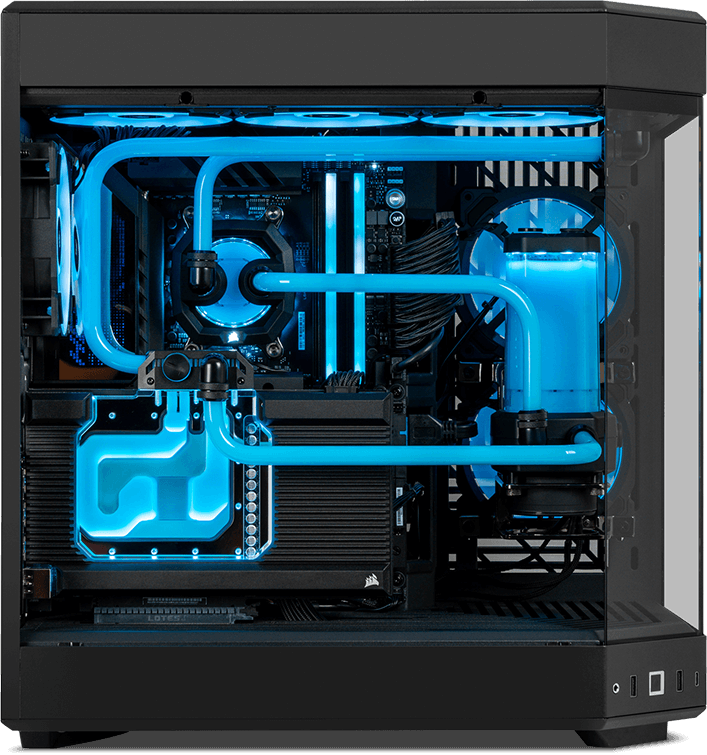

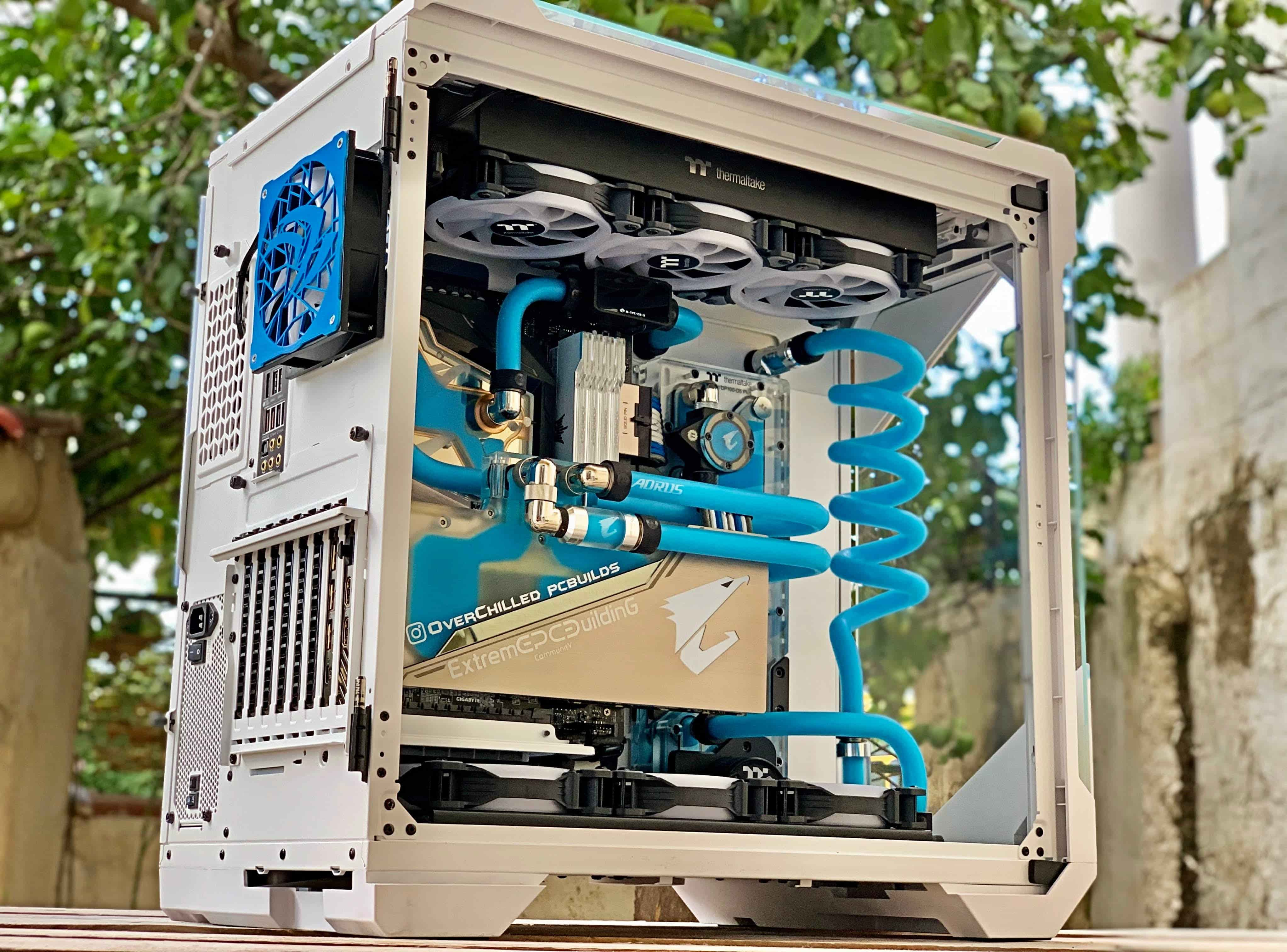
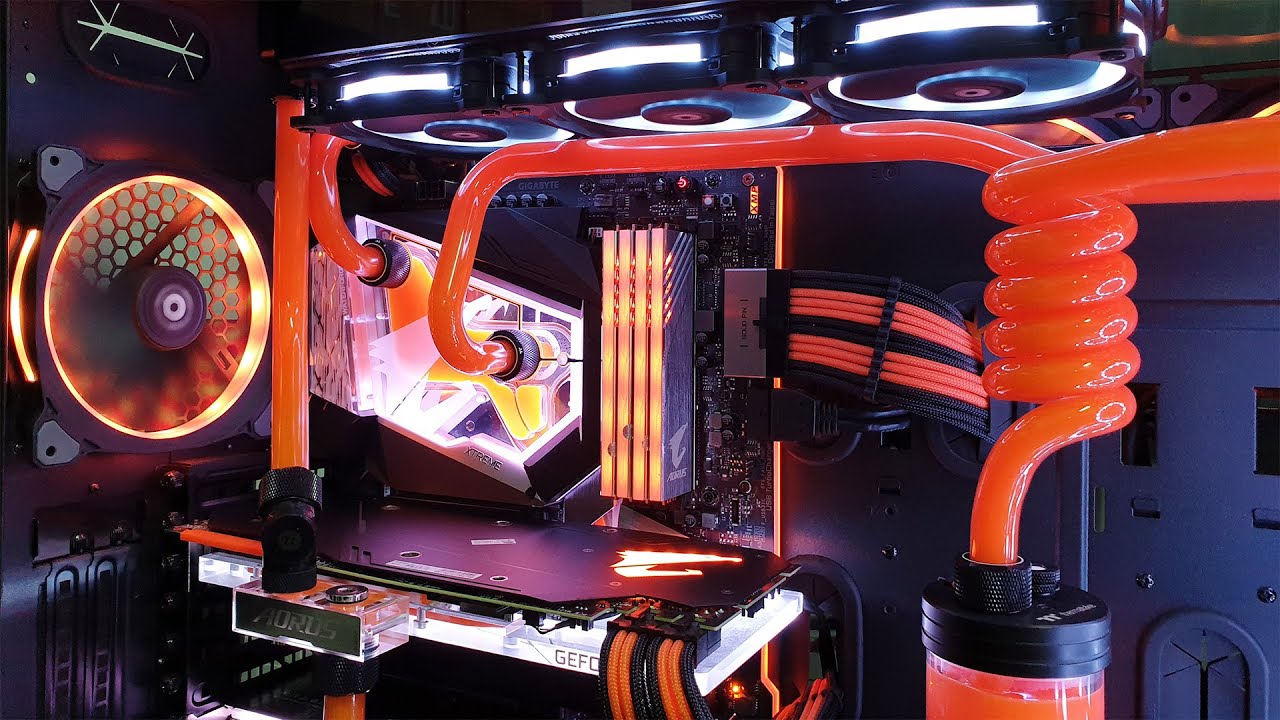
Custom Water Cooling PC All White 20220622 092326 1024x1024 . Water Cooled Computer Garage Liquid Build . Gaming PC Setups Custom PC Dual Reservoir Thermaltake Tower 900 Water Cooled PC 10 740x416 . Your PC What Is It And Should You Do It F. Build PC Gaming AORUS Waterforce Full Custom Water Cooling PC Build PC Gaming AORUS Waterforce Full Custom Water Cooling PC